Water problems rarely arrive at a convenient time. A pipe starts leaking while everyone is out. A water heater connection loosens in the middle of the night. A toilet keeps running for days before anyone notices. Sometimes the damage is obvious right away, but quite often it begins quietly, behind a wall, under a cabinet, or in a room nobody checks every morning.
That is what makes home water damage so frustrating. It can happen slowly, almost politely at first, and then suddenly become expensive. Flooring swells. Drywall stains. Cabinets smell damp. The plumber comes, then maybe a restoration company, then the insurance call, and before long a small leak has turned into a whole situation.
This is why more homeowners, landlords, and property managers are thinking differently about water protection. It is no longer just about reacting after something breaks. It is about knowing sooner, responding faster, and using smart tools to protect the home before water gets out of hand.
Why Hidden Leaks Are So Difficult to Catch
Most plumbing is not visible. It sits behind walls, below floors, inside ceilings, in basements, crawl spaces, garages, and utility rooms. When everything works, nobody thinks about it. That’s normal. Good plumbing is supposed to disappear into the background.
But because pipes and fixtures are hidden, leaks can go unnoticed for a long time. A slow drip under a sink may soak the cabinet base before anyone sees it. A supply line behind a washing machine may leak only during certain cycles. A tiny toilet leak can waste water quietly, day after day. The first sign might not be a puddle. It might be a higher water bill, a musty smell, or a soft patch in the floor.
A Better Way to Watch More Than One Home
For people who own or manage more than one property, water issues can be even harder to control. Maybe one home is a rental. Maybe another is a holiday house. Maybe a landlord has several units spread across town. Nobody can be everywhere at once, and asking tenants to notice every small plumbing issue is not always realistic.
Smart systems make it easier to monitor multiple properties from one place, giving owners and managers a clearer picture of water activity across different locations. That kind of visibility can be useful when a property is empty, rented, or only visited occasionally. It adds a layer of awareness that traditional maintenance simply cannot provide on its own.
Routine Checks Still Matter
Technology helps, but it should not replace common sense maintenance. Homes still need regular attention. Hoses, valves, taps, water heaters, toilets, irrigation lines, and appliance connections all deserve a look now and then. A few minutes of checking can prevent a lot of trouble later.
Simple plumbing checks can reveal early warning signs such as corrosion, loose fittings, damp cabinets, unusual sounds, low pressure, or slow drainage. These are not complicated inspections, but they matter. A homeowner does not need to become a plumber to notice when something looks wrong. And when something does seem off, calling a professional early is usually cheaper than waiting.
Automatic Protection When Nobody Is Home
One of the most useful improvements in modern water monitoring is the ability to stop water flow when a serious problem is detected. This is especially valuable during holidays, workdays, overnight hours, or any time the property is empty.
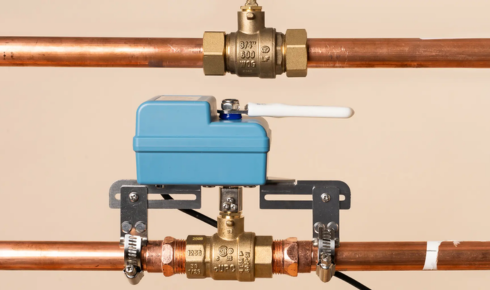
A system with automatic water shutoff can limit damage by closing the main supply when abnormal water activity suggests a leak or burst pipe. That does not mean every water problem disappears, of course. But shutting off the water early can turn a major disaster into a much smaller repair. When water is involved, even a short delay can make a big difference.
Water Use Tells a Story
Water monitoring is not only about emergencies. It also helps people understand normal household patterns. A family may discover that one bathroom uses more water than expected. A landlord may notice usage in a vacant unit. A homeowner may spot a running toilet because water flow continues when everyone is asleep.
These insights can be surprisingly helpful. They make hidden habits and hidden problems easier to see. Instead of waiting for a bill to show something unusual, smart monitoring provides more immediate information. It is a practical way to catch waste, improve efficiency, and keep the property running more smoothly.
Why Property Managers Appreciate Early Alerts
For landlords and property managers, water damage can create a long chain of problems. Repairs cost money, tenants get disrupted, units may become temporarily unavailable, and insurance claims can be slow and stressful. Even a small leak can affect walls, flooring, furniture, and neighbouring units if it spreads.
Early alerts give managers a better chance to respond before the situation grows. They can contact a tenant, send maintenance, or shut off water remotely depending on the system. It is not about replacing human responsibility. It is about giving responsible people better information at the right time.
Installation Should Be Done Properly
Smart water protection works best when it is installed with care. Placement matters. Pipe size matters. Water pressure, valve access, and property layout matter too. A poorly placed device may not protect the whole property the way the owner expects.
Professional installation helps ensure the system is fitted correctly and tested before it is relied on. This is especially important in larger homes, older properties, and rental buildings where plumbing layouts may be less straightforward. Good technology needs good setup.
A Calmer Approach to Water Damage Prevention
No system can make a home completely risk-free. Pipes age. Appliances fail. Weather changes. People forget things. That is just part of owning property. But smarter water protection can reduce uncertainty and give homeowners more control.
The real benefit is peace of mind. Knowing that water activity is being watched, that alerts can arrive early, and that water may be shut off before damage spreads makes property care feel less reactive. It is a calmer, more practical way to protect what matters.
In the end, water protection is not about fear. It is about preparation. A little awareness today can prevent a messy, expensive problem tomorrow. And for anyone responsible for one home or several, that kind of early warning is worth taking seriously.
