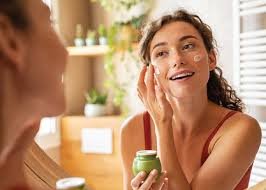
There was a time when skincare felt simple — cleanse, moisturize, maybe sunscreen if you remembered. Now, you walk into a store (or scroll online), and suddenly you’re decoding ingredient lists that sound more like a biology textbook than a beauty routine. Somewhere in that mix, probiotics quietly entered the conversation.
At first, it sounded a bit odd. Bacteria… on your face? But the more you dig into it, the more it starts to make sense. Our skin, after all, isn’t just skin. It’s an ecosystem.
The Skin Microbiome: A World You Can’t See
Here’s something most people don’t think about: your skin is home to millions of microorganisms. Some good, some not so great, all coexisting in a delicate balance. This ecosystem — often called the skin microbiome — plays a surprisingly big role in how your skin looks and feels.
When things are balanced, your skin tends to be calmer, clearer, more resilient. But disrupt that balance — harsh cleansers, pollution, stress, even over-exfoliating — and you might start noticing irritation, breakouts, or sensitivity creeping in.
That’s where probiotic skincare steps in, aiming not to kill everything off, but to restore harmony.
What Probiotic Skincare Actually Does
Now, let’s clear something up. Most probiotic skincare products don’t contain live bacteria in the way your yogurt does. Instead, they often use ingredients like lysates, ferments, or extracts derived from beneficial microbes.
These ingredients work by supporting your skin’s natural defenses. Think of them as gentle reinforcements rather than aggressive treatments. They help strengthen the skin barrier, reduce inflammation, and sometimes even improve hydration.
There’s growing curiosity around Probiotic skincare products ka science aur results, especially among people who’ve tried everything else and are looking for something that feels a bit more… balanced.
Real Results or Just Hype?
This is where things get a little nuanced. Some users swear by probiotic skincare — they talk about calmer skin, fewer flare-ups, that elusive “healthy glow.” Others don’t notice much difference.
And honestly, both experiences can be valid.
Skincare isn’t one-size-fits-all. Your microbiome is unique, shaped by your environment, lifestyle, even genetics. So what works beautifully for one person might barely register for another.
That said, there is scientific backing for the idea that supporting the skin barrier and microbiome can improve overall skin health. It’s not magic, but it’s not empty hype either.
Why It Feels Different from Traditional Skincare
Traditional skincare often focuses on fixing problems fast — acne treatments that dry out pimples, exfoliants that strip away layers, actives that push your skin to renew quickly. And while those can work, they sometimes come with side effects.
Probiotic skincare, on the other hand, feels… softer. Less aggressive. It’s more about long-term health than quick fixes.
You might not wake up with dramatically transformed skin overnight. But over weeks, maybe months, you start noticing subtle changes — less redness, fewer random breakouts, a kind of quiet stability.
It’s a slower journey, but for many, it’s a gentler one.
Who Should Consider It?
If your skin tends to be sensitive, reactive, or easily irritated, probiotic skincare might be worth exploring. It’s also interesting for people who feel like they’ve overdone it with actives and need to “reset” their skin.
On the flip side, if you’re dealing with severe acne or specific skin conditions, probiotics alone probably won’t be enough. They can be supportive, but not a standalone solution.
It’s less about replacing everything in your routine and more about adding something that supports balance.
A Small Shift in Perspective
What’s fascinating about probiotic skincare isn’t just the products themselves — it’s the philosophy behind them. Instead of fighting your skin, you’re working with it. Instead of stripping it down, you’re building it up.
It’s a subtle shift, but it changes how you approach skincare altogether.
Final Thoughts
Trends come and go in the beauty world, and it’s easy to be skeptical. But probiotic skincare feels like it’s tapping into something deeper — a better understanding of how our skin actually functions.
Will it replace every other skincare approach? Probably not. But it doesn’t need to.
Sometimes, taking care of your skin isn’t about doing more. It’s about doing things differently — a little more thoughtfully, a little more gently.
And maybe that’s where probiotic skincare quietly finds its place.
