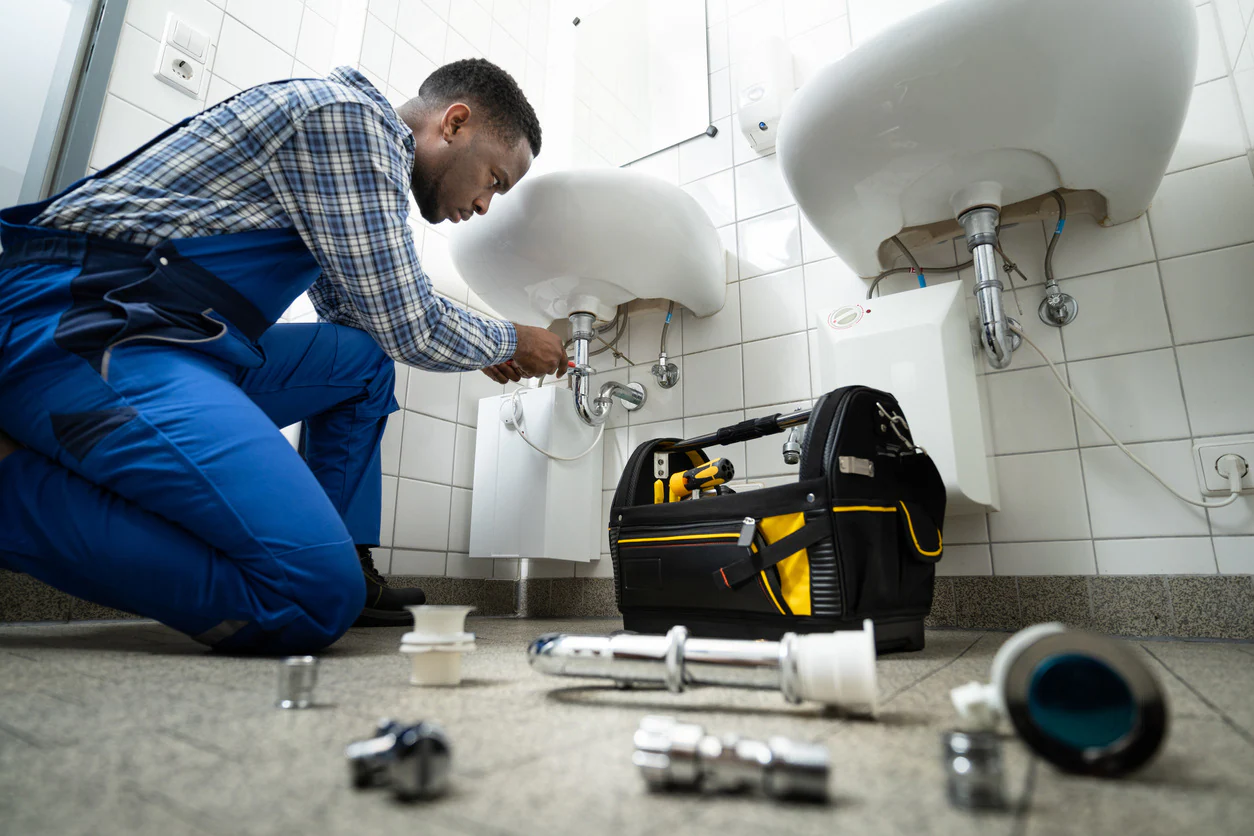
When something goes wrong with the plumbing, most homeowners aren’t looking for a complicated explanation. They want someone to arrive when promised, identify the problem, explain the options, and fix it properly. Whether it’s a leaking pipe, a blocked drain, or a water heater that has stopped working, the experience matters almost as much as the repair itself.
Finding a good plumbing company, however, can take a little effort. Plenty of businesses advertise fast service, competitive prices, and experienced technicians, but the real difference often becomes clear once the work begins. Communication, honesty, attention to detail, and a willingness to stand behind the repair are what turn a one-time appointment into a lasting relationship.
Trust Begins Before the First Repair
A reliable plumbing relationship often starts with a simple phone call. Does the company listen carefully? Can someone explain the likely next steps without making unrealistic promises? Are they willing to discuss service fees, appointment availability, and possible additional costs?
These details may seem minor when you’re dealing with a dripping faucet, but they become much more important during an emergency. A homeowner dealing with water spreading across the kitchen floor needs clear instructions and a realistic arrival estimate, not vague assurances.
Many people search for local plumbers you can trust because they want more than a quick fix. They want a professional who respects their home, understands common plumbing challenges in the area, and provides straightforward advice. Local experience can be valuable, particularly when a technician is familiar with older pipe materials, regional water conditions, or common issues in nearby properties.
Still, location alone doesn’t guarantee quality. Check relevant licensing requirements, insurance, customer reviews, and the company’s willingness to answer questions. Recommendations from neighbours can help, too, especially when someone can describe how a plumber handled an unexpected problem rather than simply saying the service was good.
Clear Communication Makes Difficult Situations Easier
Plumbing systems can be complicated, and not every homeowner knows the difference between a pressure regulator, a shutoff valve, and a water supply line. They shouldn’t have to become plumbing experts just to approve a repair.
A good technician explains the problem in everyday language. If a pipe has corroded, for example, they should describe where the damage is, whether it affects nearby sections, and what might happen if only the visibly damaged area is repaired. That gives the homeowner enough information to make a sensible decision.
Written estimates are especially helpful when a job involves several steps. They make it easier to understand labour costs, materials, and any additional work that may be required. Of course, hidden damage sometimes appears after a repair begins, but a professional should explain the discovery and seek approval before proceeding with significant extra work.
Good communication also means being honest about uncertainty. Some leaks are difficult to locate, and a slow drain can have more than one possible cause. A plumber who explains the inspection process is generally more useful than one who immediately recommends the most expensive solution without investigating.
Quality Work Is About More Than Fixing the Immediate Problem
Imagine a pipe beneath the sink develops a small leak. Tightening a connection may solve the issue, but what if the pipe itself is badly corroded? A temporary repair could stop the water today while leaving the household vulnerable to another failure next month.
Quality plumbing work looks at the cause, not just the symptom. That doesn’t mean replacing every old component or turning a minor repair into a major project. It means understanding the condition of the system and recommending a solution that makes sense for the property’s needs and budget.
This is where service excellence becomes more than a slogan. It shows up in the details: protecting floors and cabinets, using suitable materials, checking connections after installation, cleaning the work area, and explaining any maintenance the homeowner should perform.
The best repair is not necessarily the most expensive one. Sometimes replacing a worn washer is all that’s needed. In other cases, a damaged supply line or failing water heater deserves a more substantial solution. A dependable plumber explains the difference and helps the customer understand the trade-offs.
Homeowners should also ask about warranties on parts and labour. The exact terms will vary, but knowing what is covered can prevent confusion if the same problem returns.
Emergency Availability Matters, but So Does Preparedness
Plumbing emergencies rarely happen at convenient times. A blocked toilet might appear on a holiday morning, or a water heater may fail just when overnight guests arrive. When water is actively damaging the home, waiting several days for an appointment may not be realistic.
Before an emergency occurs, find out whether a plumbing company offers after-hours service and how its emergency charges work. Ask whether the company handles the specific issue you are concerned about, since not every provider offers the same range of services.
It helps to know where the main water shutoff is located. If a pipe bursts, turning off the supply may limit damage while help is on the way, provided the valve is safe to access. Keep the area around it clear and make sure household members know its location.
For other problems, such as a gas smell near a gas-powered water heater, don’t attempt to investigate or repair the equipment yourself. Leave the area if necessary and contact the appropriate emergency service or qualified professional according to local safety guidance.
Preparedness doesn’t eliminate every plumbing emergency, but it can make a stressful situation easier to manage.
Long-Term Relationships Can Save Time and Trouble
There is real value in working with a company that knows the history of your home’s plumbing. If a technician has previously repaired a recurring drain problem or serviced an ageing water heater, those records can help identify patterns and guide future decisions.
A regular service relationship may also make preventive maintenance easier to organise. Depending on the property, this could include inspecting visible supply lines, checking water heater connections, testing shutoff valves, or discussing recurring pressure problems.
Not every home needs a formal maintenance plan. The right schedule depends on the age of the plumbing, the type of equipment installed, water conditions, and the manufacturer’s recommendations. A useful service provider should tailor advice to the property rather than pushing unnecessary visits.
Over time, a trusted plumber may also help homeowners plan upgrades in stages. Instead of replacing several fixtures at once, you can prioritise the items most likely to fail or those that offer the greatest practical benefit.
A Strong Local Business Is Part of the Neighbourhood
Plumbing companies are service businesses, but their work has an effect beyond individual households. Reliable water supply, functioning drainage, and safe hot-water systems contribute to comfortable homes, rental properties, small businesses, and community facilities.
A company that values community care understands that customers aren’t just job numbers. It may support local initiatives, treat older residents with patience, provide clear advice to first-time homeowners, or help customers understand which repairs are urgent and which can reasonably wait.
These actions don’t replace technical skill, and community involvement alone shouldn’t be treated as proof of workmanship. Still, a business that takes its responsibilities seriously is more likely to recognise the importance of fairness, communication, and respectful service.
Customers can contribute to that relationship by giving honest feedback, asking questions early, and keeping records of completed work. A respectful working relationship makes it easier to resolve misunderstandings and maintain the plumbing system over the long term.
Choosing With Confidence
A dependable plumbing company earns its reputation through consistent actions, not advertising alone. It communicates clearly, diagnoses problems carefully, respects the customer’s property, and stands behind its work.
Before hiring a plumber, look beyond the initial price. Consider qualifications, reviews, estimates, warranties, and the way the company responds to your questions. When a repair is complete, take a moment to understand what was fixed and whether any follow-up care is needed.
Those small decisions can make a meaningful difference. With the right professional relationship, plumbing problems become easier to manage, household systems receive better care, and homeowners can feel more confident about the people they invite into their homes.
