There’s something easy to overlook about water. It’s always there—flowing from the kitchen tap, filling the coffee maker, running through the shower every morning. Because it’s so familiar, most of us rarely stop to think about it until something feels off. Maybe the water starts tasting metallic, leaves white spots on dishes, or carries a faint smell that wasn’t there before.
The truth is, clean-looking water isn’t always the same as healthy water. Sometimes the biggest problems are completely invisible, quietly affecting your plumbing, appliances, and even your family’s comfort. And that’s why understanding what’s happening with your home’s water is more important than many people realize.
Every Home Has a Different Water Story
No two water supplies are exactly alike. Even neighbors living on the same street can experience different water conditions depending on plumbing materials, water usage, or household systems.
Some homes struggle with hard water that leaves mineral deposits on faucets. Others deal with chlorine taste, sediment, sulfur odors, or elevated iron levels. If you’re using a private well, your water profile can change over time due to seasonal conditions or environmental factors.
Instead of assuming every issue has the same solution, it helps to understand what your household actually needs before making any decisions.
Testing Before Treating Makes a Difference
It’s tempting to buy the first filtration system that promises crystal-clear water. Marketing can be convincing. But without proper testing, you’re really just guessing.
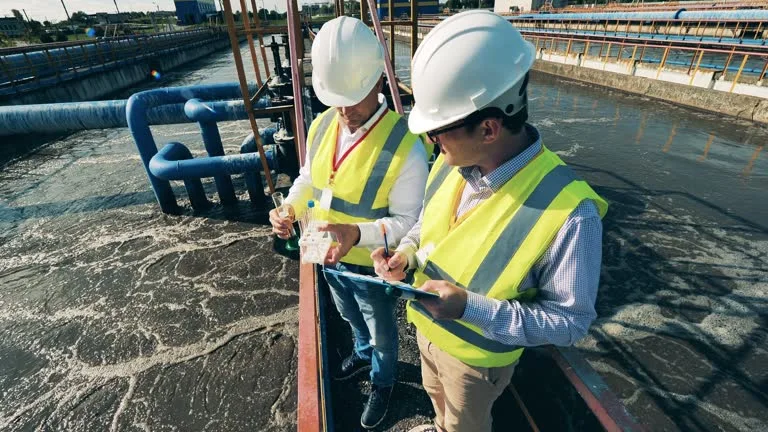
Professional testing reveals what’s actually present in the water—whether it’s excessive hardness, chlorine, iron, manganese, sediment, or other contaminants. Once those results are available, choosing the right water treatment solution becomes much easier and far more effective.
That approach often saves homeowners money in the long run because they’re investing in equipment designed for their specific situation rather than buying unnecessary products.
Little Warning Signs Shouldn’t Be Ignored
Many water problems begin quietly.
Maybe soap doesn’t lather quite as well anymore. Towels feel rough after washing. The dishwasher leaves cloudy glasses behind. Coffee tastes slightly different than it used to.
None of these issues seem urgent by themselves. Yet together they often point toward underlying water conditions that deserve attention.
It’s a bit like hearing a faint noise coming from your car. Ignoring it may not create immediate problems, but chances are it won’t simply disappear on its own.
Your Appliances Notice Poor Water Too
Water heaters, washing machines, ice makers, and dishwashers all rely on clean water to operate efficiently.
Hard minerals gradually build up inside heating elements. Sediment settles in tanks. Pipes slowly collect scale that restricts water flow over time.
These issues reduce efficiency while increasing energy usage. Eventually, components wear out sooner than expected.
Many homeowners are surprised to learn that improving household water can also help extend appliance lifespan and reduce maintenance expenses.
It’s one of those benefits people rarely think about until they’ve experienced the difference firsthand.
Good service Goes Beyond Installation
Installing equipment is only one part of the process.
Reliable professionals continue supporting homeowners long after installation day. They inspect systems, replace filters when needed, monitor performance, and make adjustments if water conditions change.
That’s where quality service really matters.
Even the most advanced filtration equipment performs best when it’s maintained correctly. Regular inspections help prevent small issues from becoming larger, more expensive repairs while ensuring everything continues operating as intended.
It’s a relationship rather than a one-time purchase, and that ongoing support often provides more value than people expect.
Better Water Can Improve Everyday Living
People often expect dramatic changes after upgrading their water system. Sometimes the improvements are surprisingly subtle—and that’s actually a good thing.
Morning coffee tastes cleaner.
Showers feel more refreshing.
Soap rinses away more easily.
Hair feels softer.
Laundry comes out brighter without needing extra detergent.
None of these moments are life-changing individually, but together they create a noticeably more comfortable daily routine. Those little improvements add up over weeks, months, and years.
Understanding water quality Helps You Make Smarter Decisions
When homeowners hear the phrase water quality, they often think only about drinking water.
In reality, it affects nearly every part of the home.
It influences plumbing performance, appliance efficiency, cooking results, bathing comfort, cleaning effectiveness, and even how long fixtures maintain their appearance.
Monitoring water regularly provides valuable information that allows homeowners to respond before problems become expensive. Conditions can shift over time due to municipal changes, seasonal groundwater variations, or aging infrastructure.
That’s why periodic testing isn’t simply recommended when something seems wrong—it’s useful even when everything appears perfectly normal.
Maintenance Isn’t Exciting, But It Works
Nobody gets excited about replacing filters or scheduling annual inspections.
Still, these small maintenance tasks often determine whether a system performs efficiently for years or begins losing effectiveness much sooner.
Skipping maintenance may seem harmless at first, but clogged filters reduce performance, increase pressure on equipment, and can eventually affect the entire system.
Fortunately, routine maintenance is usually simple, affordable, and much less stressful than unexpected repairs.
Think of it the same way you think about changing your vehicle’s oil. You don’t do it because something has already broken—you do it to keep problems from happening in the first place.
Choosing Solutions That Fit Your Home
There isn’t a universal answer for every household.
Some families benefit most from water softeners. Others need reverse osmosis drinking systems. Some require iron filtration, while others only need basic sediment removal.
That’s why personalized recommendations matter more than flashy advertisements.
Professionals who evaluate your home’s unique water conditions can recommend solutions based on actual testing rather than assumptions. That tailored approach often delivers better performance while avoiding unnecessary costs.
In the end, better water isn’t really about buying the biggest system available. It’s about choosing the right one for your family’s needs.
A Small Investment That Pays Off Every Day
Water touches nearly every part of daily life, yet it’s one of the easiest things to take for granted. Once problems become noticeable, they’ve often been developing quietly for quite some time.
Paying attention early—through testing, proper system selection, and regular maintenance—can improve comfort, protect household investments, and provide greater peace of mind.
Better water isn’t simply about clearer drinking glasses or shinier faucets. It’s about creating a healthier, more efficient home where the things you depend on every day work just a little better.
And honestly, those small improvements are often the ones that make the biggest difference over time.
