There’s something comforting about having your own well. You’re not relying on a city water supply, there are no monthly water bills in many cases, and the water often tastes fresher than what comes from a municipal system. It feels independent, almost old-fashioned in the best way.
Still, that independence comes with responsibility. Unlike public water systems that are monitored continuously, private wells depend on homeowners to make sure the water remains safe. And that’s where many people unintentionally take a gamble. If the water looks clear and tastes normal, they assume everything is fine.
Unfortunately, clean-looking water isn’t always clean water.
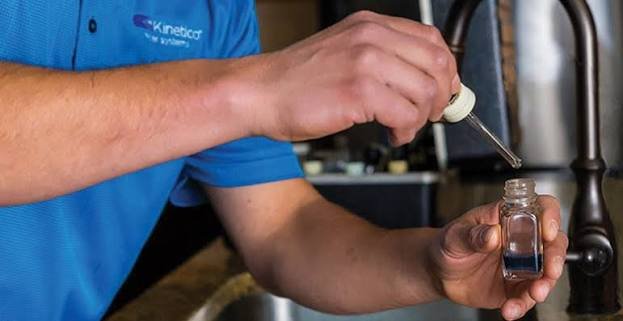
Many contaminants have no color, smell, or taste at all. The only reliable way to know what’s flowing from your tap is to test it regularly. It isn’t about being overly cautious—it’s about making informed decisions for your family and your home.
Clear Water Doesn’t Always Mean Healthy Water
One of the biggest misconceptions among well owners is that appearance tells the whole story.
Crystal-clear water can still contain bacteria, excess minerals, nitrates, or naturally occurring contaminants. On the flip side, water with a slight discoloration may simply have harmless minerals that affect appearance rather than safety.
That’s why relying on your senses alone can be misleading. Water has a way of hiding problems until they become much larger—or much more expensive.
Regular testing removes the guesswork and replaces assumptions with facts.
Start with the Basics
If you’re new to owning a private well, you don’t necessarily need to invest in expensive laboratory services right away. Many local health departments, county agencies, and community water programs occasionally offer free basic well water testing events that screen for common issues.
These programs can provide a helpful snapshot of your water’s condition and often identify whether additional testing should be considered.
While free testing usually doesn’t cover every possible contaminant, it’s an excellent first step for homeowners who want to better understand their well without a large upfront cost.
It’s surprising how many people discover small issues simply because they decided to participate in one of these community programs.
Why Water Changes Throughout the Year
Groundwater isn’t static.
Heavy rainfall, seasonal droughts, nearby farming, construction projects, flooding, or even changes deep below the surface can gradually influence your well. Water that tested perfectly last year may produce different results today.
That’s why annual testing has become a standard recommendation for private well owners.
Even if your household hasn’t experienced obvious problems, routine monitoring provides peace of mind and helps identify subtle changes before they become serious.
Think of it as preventive maintenance rather than emergency repair.
Understanding Your Water Quality Report
Many homeowners feel intimidated when they receive laboratory results filled with unfamiliar numbers and scientific terms.
The reality is much simpler than it looks.
A report usually evaluates several important factors, including bacteria, pH balance, nitrates, dissolved solids, mineral content, and overall water quality . Each measurement helps paint a clearer picture of what’s happening beneath the ground and inside your plumbing system.
Instead of viewing the report as a complicated technical document, think of it as a health checkup for your home’s water supply.
If something falls outside the recommended range, it doesn’t automatically mean your water is dangerous. It simply means further evaluation or treatment may be appropriate.
Don’t Ignore Small Warning Signs
Testing is important, but paying attention to everyday changes matters too.
Perhaps your water suddenly develops a metallic taste. Maybe soap stops producing rich lather, or dishes begin showing cloudy spots after washing. Some homeowners notice orange stains around sinks, while others detect an unusual smell after running hot water.
These seemingly minor changes often provide valuable clues.
Waiting until the problem becomes severe usually results in higher repair costs and more complicated solutions.
Listening to your water—quite literally sometimes—can save both money and frustration.
When Expert Guidance Makes Sense
Basic testing provides valuable information, but there are situations where professional analysis becomes the better option.
If previous tests reveal unusual contaminants, recurring bacteria, high nitrate levels, persistent odors, or unexplained changes in water appearance, experienced water specialists can perform more comprehensive evaluations.
Professional testing often includes a wider range of contaminants along with recommendations specifically tailored to your well’s conditions instead of offering one-size-fits-all advice.
That’s important because every well is unique. Two neighboring properties may require completely different treatment solutions depending on depth, geology, and groundwater conditions.
Prevention Costs Less Than Repairs
Many homeowners postpone testing because nothing seems wrong.
Ironically, that’s usually the best time to test.
Routine monitoring allows small problems to be corrected before they damage plumbing fixtures, reduce appliance efficiency, or require expensive equipment replacement.
Water heaters, dishwashers, washing machines, and plumbing systems all benefit from clean, properly balanced water. Investing a little in prevention often saves considerably more over the long run.
It’s similar to servicing your vehicle before it breaks down on the highway.
Protecting More Than Just Drinking Water
When people think about well water, drinking naturally comes to mind first.
But your home’s water touches nearly every part of daily life. You cook with it, bathe in it, wash clothing, clean dishes, brush your teeth, water gardens, and even prepare baby formula.
Good water quality supports healthier plumbing, cleaner laundry, longer-lasting appliances, and a more comfortable home overall.
It influences far more than most people realize.
Simple Habits That Make a Big Difference
Maintaining a healthy well doesn’t require constant attention, but consistency matters.
Schedule annual testing, inspect the well cap periodically, keep chemicals and fertilizers away from the wellhead, and pay attention whenever your water looks, smells, or tastes different.
These straightforward habits create a reliable foundation for long-term well performance.
There’s no secret formula—just regular care and informed decision-making.
Peace of Mind Starts with Knowing
Owning a private well offers freedom that many homeowners genuinely appreciate. Yet that freedom comes with one important responsibility: knowing what’s in your water instead of assuming it’s fine.
Regular testing isn’t driven by fear. It’s driven by confidence.
When you understand your water, you make better decisions about maintenance, treatment, and protecting your family’s health. You avoid unnecessary expenses, extend the life of household equipment, and gain reassurance every time someone fills a glass from the kitchen tap.
In the end, the greatest benefit of well water testing isn’t simply cleaner water. It’s the peace of mind that comes from knowing your home’s most essential resource is being cared for with the attention it deserves.
