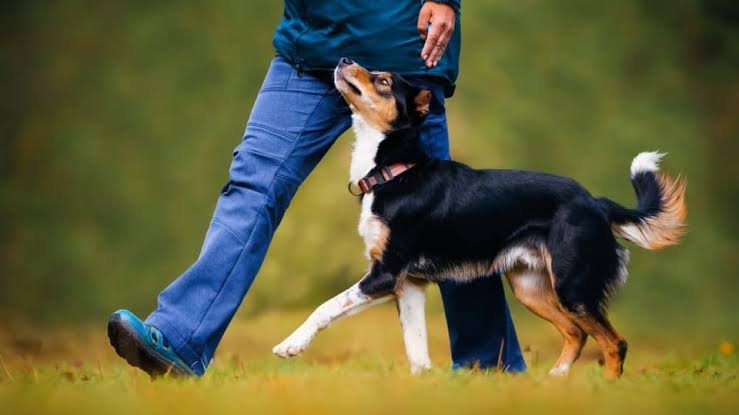
When it comes to raising a well-behaved dog, many owners wonder whether they should train on their own or seek professional guidance. While dogs can learn basic commands at home, working with dog training experts often leads to faster progress, better communication, and long-term success. Rob’s Dog Training believes that effective training is about building a strong relationship between dogs and their owners through consistent, proven methods.
Professional training is not simply about teaching a dog to sit or stay. It focuses on understanding behavior, preventing unwanted habits, and helping dogs become confident companions that can thrive in everyday situations.
What Makes Dog Training Experts Different?
Every dog has a unique personality, learning style, and motivation. Experienced trainers recognize these differences and adapt their approach instead of relying on a one-size-fits-all method.
Professional trainers evaluate factors such as:
- Age and developmental stage
- Breed characteristics
- Previous training experiences
- Confidence level
- Environmental influences
- Specific behavioral challenges
This individualized approach creates training plans that meet the needs of both the dog and the owner.
Rather than correcting symptoms alone, experienced trainers identify the reasons behind behaviors and develop practical solutions that encourage lasting improvement.
Training Is About Communication
Many unwanted behaviors stem from misunderstandings rather than stubbornness. Dogs constantly respond to human body language, timing, consistency, and rewards.
Professional trainers teach owners how to communicate clearly by:
- Giving consistent cues
- Rewarding desired behaviors immediately
- Avoiding mixed signals
- Setting realistic expectations
- Building predictable routines
Once communication improves, many common behavioral issues naturally begin to decrease because the dog better understands what is expected.
Why Early Guidance Creates Better Habits
Dogs begin learning from the moment they arrive home. Every interaction reinforces behaviors, whether owners realize it or not.
Early professional guidance helps establish healthy habits before undesirable behaviors become routine.
Important early training includes:
- Name recognition
- Focus on the owner
- Basic obedience
- Proper social exposure
- Calm greetings
- Household manners
Teaching these skills early often prevents larger behavioral problems from developing later.
Dog Training Experts Focus on Real-Life Success
One of the biggest differences between professional training and casual practice is that experienced trainers prepare dogs for real-world situations.
Dogs eventually need to respond around:
- Children
- Visitors
- Other dogs
- Busy sidewalks
- Parks
- New environments
- Loud sounds
- Everyday distractions
Practicing only inside the home often limits reliability. Professional training gradually introduces distractions so dogs learn to make good decisions regardless of their surroundings.
Why Consistency Matters More Than Intensity
Many owners believe long training sessions produce better results. In reality, short and consistent sessions usually produce stronger learning.
Professional trainers often recommend:
- Multiple short sessions each day
- Clear expectations
- Immediate rewards
- Gradually increasing difficulty
- Ending sessions positively
Dogs retain information more effectively when learning is repeated consistently instead of cramming lengthy sessions into occasional weekends.
Building Confidence Through Structured Learning
Confidence plays a major role in canine behavior.
Some dogs react aggressively because they feel insecure. Others become fearful in unfamiliar environments. Even highly energetic dogs may simply lack guidance.
Professional training helps dogs develop confidence by gradually exposing them to manageable challenges while rewarding calm, successful responses.
Confident dogs often become:
- More adaptable
- Easier to manage
- Better at handling new experiences
- More relaxed around distractions
- More responsive to commands
Training is therefore about emotional development as much as obedience.
The Value of Positive Reinforcement
Modern training emphasizes rewarding desirable behaviors instead of relying primarily on punishment.
Positive reinforcement helps dogs understand which behaviors earn rewards, making learning clearer and more enjoyable.
Rewards may include:
- Food treats
- Praise
- Toys
- Playtime
- Affection
- Access to preferred activities
This approach encourages enthusiasm while strengthening trust between dogs and their owners.
Common Challenges Dog Training Experts Address
Professional trainers work with far more than basic obedience.
Common training goals include:
Pulling on the Leash
Loose-leash walking improves daily exercise while making walks safer and more enjoyable.
Jumping on People
Teaching calm greetings helps dogs interact politely with family members and visitors.
Excessive Barking
Rather than simply stopping barking, trainers identify why the behavior occurs and teach appropriate alternatives.
Poor Recall
Reliable recall improves safety during outdoor activities and strengthens off-leash reliability where appropriate.
Lack of Focus
Many dogs struggle with distractions. Professional training gradually improves attention despite increasing environmental stimulation.
Household Manners
Dogs learn expectations for everyday life, including waiting at doors, settling indoors, greeting guests appropriately, and respecting boundaries.
Why Owners Need Training Too
Professional training is not only for dogs.
Owners often experience the greatest transformation because they learn how dogs think, learn, and respond.
Training teaches owners how to:
- Read body language
- Prevent problems before they begin
- Reinforce desired behaviors
- Stay consistent
- Handle setbacks constructively
- Continue progress after formal training ends
When owners understand these principles, dogs receive clearer guidance every day.
Dog Training Experts Help Prevent Future Problems
Behavioral issues rarely appear overnight.
Small habits gradually become larger concerns if left unaddressed.
Examples include:
- Pulling lightly becoming severe leash reactivity
- Excited greetings becoming jumping
- Puppy chewing becoming destructive habits
- Mild anxiety becoming fear-based behaviors
- Ignoring commands becoming unreliable obedience
Professional guidance helps owners recognize these warning signs early and address them before they become deeply ingrained.
Long-Term Benefits Extend Beyond Obedience
Training creates positive changes that affect nearly every aspect of daily life.
Owners often notice improvements in:
- Daily routines
- Family interactions
- Public outings
- Veterinary visits
- Grooming appointments
- Travel experiences
- Exercise sessions
Dogs that understand expectations generally experience less confusion and more opportunities to participate in family activities.
Choosing the Right Dog Training Experts
Not all training programs follow the same philosophy or methods.
Before selecting a trainer, owners should look for professionals who:
- Use humane, science-based training methods
- Explain the reasoning behind techniques
- Encourage owner participation
- Customize training plans
- Focus on long-term success rather than quick fixes
- Communicate clearly throughout the process
A quality trainer acts as both instructor and coach, helping owners develop the confidence needed to continue training independently.
Maintaining Progress After Professional Training
Even after formal training ends, continued practice remains important.
Simple ways to maintain success include:
- Practice commands during daily routines.
- Reward good choices consistently.
- Introduce new environments gradually.
- Keep sessions short and engaging.
- Reinforce calm behavior throughout the day.
- Continue providing mental enrichment.
Training should become part of everyday life rather than an occasional activity.
Dogs continue learning throughout their lives, making consistency one of the most valuable investments owners can make.
Final Thoughts
Working with dog training experts provides far more than obedience lessons. It creates a structured learning experience that strengthens communication, builds confidence, prevents behavioral issues, and helps dogs become reliable companions in everyday situations. By combining professional guidance with consistent practice at home, owners can create lasting habits that benefit both themselves and their dogs for years to come. If you’re ready to build a stronger relationship with your dog through proven, individualized training, Rob’s Dog Training offers experienced guidance designed to support long-term success.
