Table of Contents
- Start With Attendance, Timing, and Event Activity
- Review Heat Conditions Before Selecting the Setup
- Choose Restroom Facilities That Match the Occasion
- Place Restrooms for Visibility, Comfort, and Safe Access
- Pair Restroom Access With Shade, Water, and Cooling
- Build a Hygiene and Restocking Plan
- Prepare Staff for Heat-Related Concerns
- Outdoor Restroom Planning Checklist
- Make Comfort Part of the Sacramento Event Plan
For Sacramento outdoor weddings, neighborhood festivals, vineyard gatherings, athletic events, and corporate celebrations, restroom access is part of the guest experience. It deserves the same planning attention as food service, parking, seating, shade, and first aid. When guests can quickly find a clean restroom and a nearby place to cool down, the event feels more comfortable, organized, and welcoming.
Restroom needs can change quickly on a warm day, especially when an event includes water stations, food, alcohol service, dancing, or long hours outdoors. For planners seeking emergency mobile restroom rental Sacramento, Capital Rentals WC is a veteran-owned portable sanitation and luxury restroom trailer provider serving Sacramento as its primary area, with service also available in Stockton, Modesto, and Turlock. Its restroom trailer options, climate control features, delivery support, and event-focused setup guidance make it a useful local resource when comfort and sanitation cannot be left to chance.
Start With Attendance, Timing, and Event Activity
Begin with a realistic count of everyone who may use the facilities, not only ticketed guests. Include vendors, caterers, performers, volunteers, security staff, setup crews, and children. Then look at the event schedule. A short afternoon ceremony has different demands than an all-day fundraiser or an evening concert that begins before sunset and continues after dark.
Also identify periods when restroom traffic may spike. Guests often line up before a ceremony, during meal transitions, at intermission, after a sporting activity, or near the end of an event. Alcohol service and physical activity can increase the need for restroom access, so they should be part of the initial planning conversation rather than an afterthought.
Review Heat Conditions Before Selecting the Setup
In Sacramento, hot-weather planning should begin well before event day and continue through the morning of the gathering. Check the forecasted temperature, humidity, wind, and heat index, then prepare to adjust staffing, water access, shade, and the schedule if conditions worsen. The National Weather Service explains that the heat index combines air temperature and relative humidity, while direct sunlight can make conditions feel even hotter.
Heat planning should account for more than the forecast high. Consider the amount of direct sun at the site, the heat retained by pavement, the distance guests must walk, and whether people will be active. Public-health guidance for outdoor events recommends taking added heat-protection steps when the forecast heat index reaches 85 degrees Fahrenheit or higher. At higher levels, organizers may need to add water and cooling options, modify activities, shorten the event, or change the time or location.
Choose Restroom Facilities That Match the Occasion
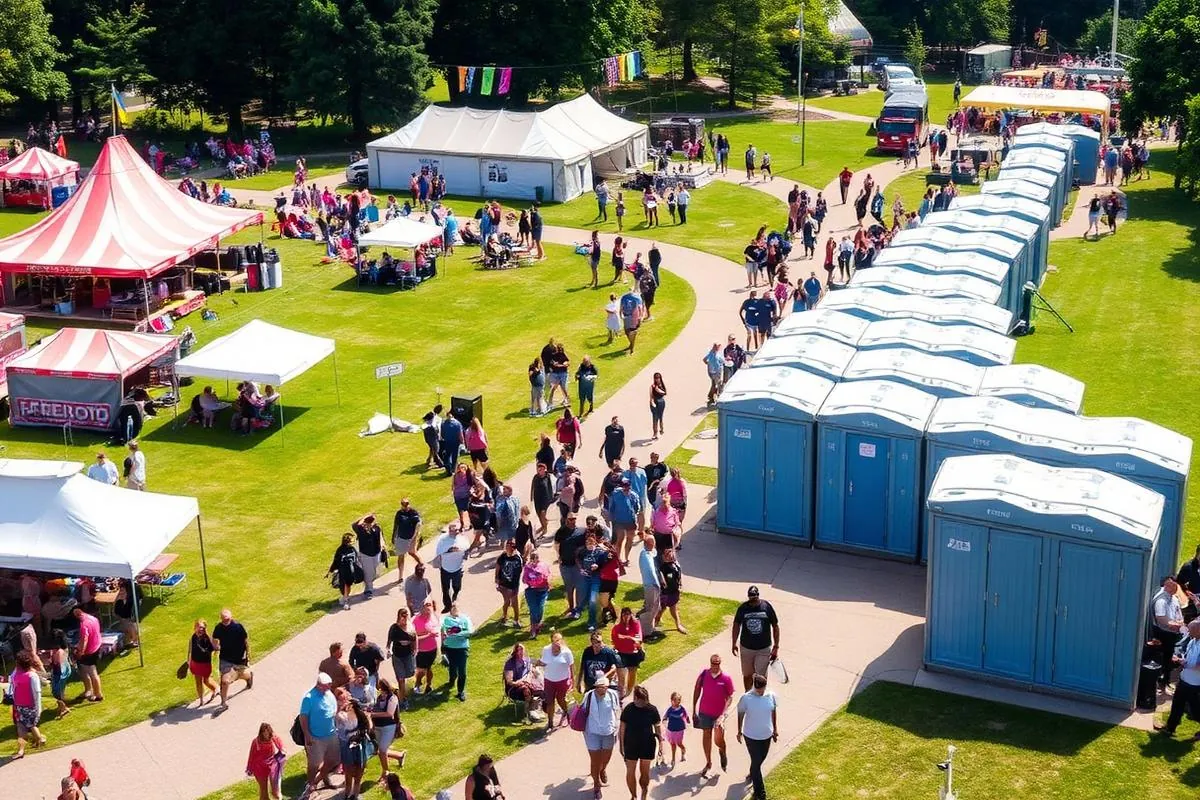
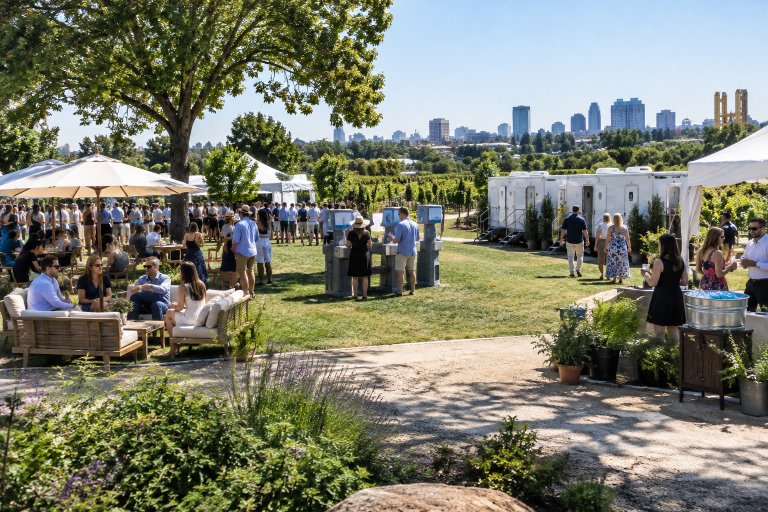
The right mix of facilities depends on the event’s size, formality, site conditions, and expected length. Standard portable toilets may fit a casual daytime gathering, while restroom trailers can be a better match for weddings, corporate functions, or events where guests will be on site for several hours.
- Portable restroom units can be practical for temporary outdoor sites and larger crowds.
- Accessible units should be included where needed and placed on a stable, step-free route.
- Handwashing stations support hygiene near restroom areas and food-related activities.
- Restroom trailers may provide sinks, lighting, interior space, and climate control, depending on the model and site utilities.
Ask the provider about delivery access, clearance, power needs, water needs, waste capacity, and service timing. These details matter most when the event is taking place at a park, private property, open field, venue lawn, or other site without permanent plumbing.
Place Restrooms for Visibility, Comfort, and Safe Access
A restroom that is difficult to find or reach does not serve guests well. Place facilities within a reasonable walking distance of the main activity area, but keep them away from food preparation, dining tables, stages, and narrow circulation paths. Avoid steep slopes, loose ground, standing water, exposed cords, and routes that may become blocked by lines or parked equipment.
Use large, high-contrast signs that guests can see from a distance. For evening events, make sure the route and restroom entrance have suitable lighting. Give accessible facilities enough surrounding room for mobility devices, caregivers, and service animals. If families are expected, consider privacy needs and whether a changing area would make the site easier to use.
Pair Restroom Access With Shade, Water, and Cooling
Guests should not have to cross a long stretch of exposed pavement simply to use a basic facility. Create a site layout that connects restrooms, drinking water, shaded seating, and first-aid or cooling areas without creating one crowded bottleneck. Keep water refill stations close enough to be convenient but separate enough from restroom entrances to preserve a clear flow of foot traffic.
Shade tents, fans, misters where appropriate, and access to an air-conditioned area can help guests and workers recover from the heat. Guidance for outdoor events during extreme heat emphasizes accessible drinking water, shade or cooling relief, clear communication, and changes to strenuous activity when conditions call for them.
Build a Hygiene and Restocking Plan
Assign a specific person or team to inspect restroom areas throughout the event. They should know where backup supplies are stored and how to contact the rental provider if an issue needs attention. Increase checks during predictable rushes, such as meal service, intermission, or the end of a program.
Keep These Supplies Available
- Toilet paper and paper towels
- Soap, hand sanitizer, and water where applicable
- Trash bags and a plan for waste removal
- Cleaning supplies for approved on-site use
- Signs, lighting backups, and contact information for the service provider
A simple written inspection log helps staff confirm that checks were completed and makes it easier to spot a recurring problem before guests notice it.
Prepare Staff for Heat-Related Concerns
Event staff should know how to respond if someone feels unwell. Warning signs can include headache, dizziness, weakness, nausea, heavy sweating, confusion, or fainting. Make sure workers know where water, shade, first-aid supplies, emergency contacts, and the designated cooling or response area are located.
Protect vendors and volunteers as carefully as guests. Rotate workers who are stationed in direct sun, provide breaks, and avoid assigning strenuous setup or teardown work during the hottest part of the day when possible.
Outdoor Restroom Planning Checklist
- Confirm the expected guest, staff, and vendor count.
- Review event duration, alcohol service, meals, and activity levels.
- Monitor the forecast and heat index before and on event day.
- Select the appropriate restroom, accessible unit, and handwashing setup.
- Confirm delivery space, service access, water, power, and lighting needs.
- Map clear routes to restrooms, shade, water, and first-aid areas.
- Assign inspection, restocking, and emergency-response responsibilities.
- Complete a final site walk before guests arrive.
Make Comfort Part of the Sacramento Event Plan
Thoughtful restroom planning supports cleanliness, accessibility, heat safety, and a smoother guest experience. By matching facilities to attendance, choosing a visible and accessible location, maintaining supplies, and preparing for changing weather, Sacramento event organizers can solve many common problems before they interrupt a celebration.
