There’s something quietly satisfying about pouring a glass of water straight from the tap and actually wanting to drink it.
No squeezing lemon into it to hide an odd taste. No second thoughts. No pile of plastic bottles waiting beside the kitchen counter because nobody in the family likes what comes out of the faucet.
Water is part of almost every hour of the day, yet most of us don’t think much about it until it starts causing trouble. Maybe the taste changes. Perhaps mineral buildup begins appearing around faucets. Or you simply get tired of buying bottled water again and again.
That’s usually when people begin exploring water treatment.
The good news is that improving household water doesn’t always mean filling your home with complicated equipment. Sometimes a simple treatment method is enough. In other cases, several technologies may work together to address different concerns. The key is understanding what your water needs instead of buying the first system with the most impressive advertising.
Why the Taste of Water Matters More Than We Think
Taste is personal. Some people can happily drink tap water anywhere, while others notice even the slightest chlorine-like flavor or mineral taste.
And when water doesn’t taste appealing, people often drink less of it or spend more money on bottled alternatives.
The goal for many households is simply great tasting water that feels pleasant to drink throughout the day. That might mean filling a reusable bottle before work, making coffee in the morning, or grabbing a glass from the kitchen without opening the refrigerator door.
The reason behind an unpleasant taste can vary.
Municipal water may contain disinfectants that contribute to a noticeable flavor or odor. Private well water may have naturally occurring minerals or other characteristics influenced by local groundwater conditions. Plumbing can sometimes play a role as well.
This is why there isn’t one universal solution for every home.
A carbon filter may help with certain taste and odor concerns, while reverse osmosis may be considered when a homeowner wants to address specific dissolved substances. The right choice depends on the water source and the issue being addressed.
Conditioned Water Can Make Everyday Tasks Easier
Taste isn’t the only reason homeowners consider treatment.
Hardness minerals can affect how water behaves throughout the house. You might notice spots on dishes, buildup around fixtures, dry-feeling laundry, or soap that doesn’t seem to work quite the way you’d expect.
This is where conditioned water may make a noticeable difference, depending on the treatment method and the characteristics of the incoming supply.
Water conditioning and softening systems are designed for specific purposes, and the terminology can sometimes vary depending on the technology being discussed. Some systems address hardness minerals through ion exchange, while other conditioning approaches may focus on reducing scale-related effects without operating exactly like a traditional softener.
The important thing is to understand what a particular system is designed to do.
A homeowner shouldn’t assume that every product described as a conditioner or refiner provides identical results. Checking the equipment specifications, treatment method, capacity, and maintenance requirements can help avoid disappointment later.
Testing Helps You Choose the Right Solution
One of the easiest mistakes to make is buying treatment equipment before understanding the water.
It happens all the time.
Someone notices a strange taste, searches online, reads a few reviews, and suddenly has three different filters sitting in an online shopping cart. But without knowing the cause of the problem, choosing between them is mostly guesswork.
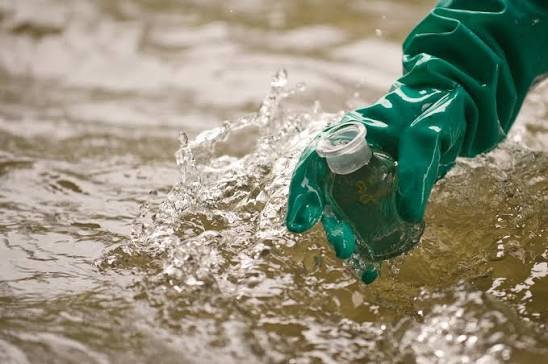
Water testing can provide a much clearer starting point.
Depending on the source and the concern, testing may look at factors such as hardness, pH, iron, manganese, sediment, dissolved substances, or other relevant characteristics.
Private well owners may have particular reasons to test periodically because groundwater conditions can change over time. Flooding, damage to the well, nearby construction, and changes in surrounding land use can all create reasons to take a closer look.
Once the results are available, treatment decisions become more focused.
Instead of asking, “What is the best water system?” you can ask, “What system is designed to address my actual water conditions?”
That’s a much better question.
Whole-Home Treatment and Drinking Water Aren’t Always the Same Job
Not every drop of water in a home needs identical treatment.
Water used for showers, laundry, and dishwashing may have different requirements from water used for drinking and cooking. For this reason, some households use a combination of treatment systems.
A whole-home unit may address issues that affect plumbing fixtures and appliances, while a separate point-of-use system treats water at the kitchen sink.
This approach can be practical.
For example, if hardness is the main issue throughout the home but drinking water has additional taste concerns, using one system for the entire house and another at the point of use may make more sense than trying to force a single piece of equipment to do everything.
The best setup depends on household needs, water usage, available installation space, and the results of appropriate testing.
Sometimes simpler is better. Sometimes a multi-stage approach is worth it.
There’s no prize for owning the biggest system.
The Environmental Side of Better Water Choices
Water treatment can also influence everyday habits, particularly when it reduces reliance on single-use bottled water.
Families that regularly purchase cases of bottled water know the routine. You carry them into the house, find somewhere to store them, empty the bottles one by one, and eventually deal with the packaging.
Reducing that dependence can potentially lower the environmental impact associated with repeated production, transportation, and disposal of single-use bottles.
A home drinking water system isn’t automatically perfect from an environmental standpoint, of course. Treatment systems use materials, replacement filters, energy, and, depending on the technology, water during operation.
That’s why it makes sense to look at the full picture rather than assuming one choice is always completely “green.”
Still, when a properly selected system encourages people to use reusable bottles and rely more on treated tap water, it can support a less wasteful everyday routine.
Small habits add up.
A reusable bottle filled at home five days a week may not seem like a dramatic environmental decision. But over months and years, those choices can make a difference.
Maintenance Is What Keeps Good Water Systems Useful
Even the best water treatment equipment needs some attention.
Filters eventually reach their capacity. Carbon media can become exhausted. Reverse osmosis membranes have a service life. Water softeners and other systems may require salt, cleaning, regeneration, or professional servicing depending on their design.
Ignoring maintenance can affect performance.
Before choosing a system, it’s worth looking beyond the purchase price. Ask how often components need replacement, what ongoing costs may be involved, and whether replacement parts are readily available.
A less expensive unit isn’t always the better bargain if maintaining it becomes difficult.
On the other hand, a reliable system with straightforward maintenance can quietly serve a household for years.
Keeping a simple record of filter changes can help too. Nothing fancy is required. A note on your phone or a reminder on the calendar is usually enough.
Water Treatment Should Fit Real Life
The best household systems are the ones people can actually live with.
If changing a filter requires dismantling half the cabinet, maintenance may get postponed. If replacement parts are difficult to find, frustration can build. If a system is oversized, overly complicated, or poorly matched to the water, it may never deliver the results the homeowner expected.
A good water treatment setup should fit the home rather than forcing the household to adapt around it.
Consider how much water you use. Think about where the system will be installed. Look at maintenance requirements honestly. And, most importantly, choose technology based on the water conditions you actually have.
A small apartment and a large family home may need completely different solutions.
Better Water Is Really About Better Everyday Living
At the end of the day, water treatment isn’t just about filters, tanks, valves, or technical specifications.
It’s about everyday life.
It’s making coffee in the morning without noticing an unpleasant flavor. It’s filling a bottle before heading out. It’s washing dishes without constantly battling mineral spots. It’s having a little more confidence in the water your household uses every day.
The best approach usually starts with information.
Understand your water source. Test it when appropriate. Identify the concerns that actually matter to your household, and then choose treatment equipment designed for those needs.
Don’t chase the fanciest product or the longest list of features.
Sometimes the smartest solution is surprisingly simple.
When the right system is selected, properly installed, and maintained, it fades into the background. You turn on the tap, fill your glass, and carry on with your day.
