Clean, pleasant-tasting water is something most of us expect when we turn on a tap. We rarely think about where that water has been or what might be hiding in it until something changes. Maybe there’s a metallic taste, chalky buildup around the faucet, or an odd smell that wasn’t there before.
That’s when the search for a better water treatment solution usually begins.
The tricky part is that there isn’t one system that works perfectly for every home. Water quality varies from one neighborhood to another, and even two houses on the same street can have different plumbing and water concerns. Choosing the right equipment means understanding what you’re actually trying to improve instead of simply buying the biggest or most expensive system available.
Start by Understanding Your Water
Before choosing any equipment, it helps to know what you’re dealing with.
Municipal water supplies are treated before they reach homes, but that doesn’t mean every household receives water with exactly the same characteristics. Older plumbing, local groundwater conditions, seasonal changes, and household pipes can all influence water quality.
A basic water test can reveal useful information about hardness, pH, sediment, minerals, and other characteristics. In some cases, more detailed testing may be appropriate.
This first step can save you money. There’s no reason to install equipment designed for a problem you don’t actually have.
When Hard Water Becomes a Household Problem
Hard water isn’t necessarily dangerous, but it can be frustrating.
Minerals such as calcium and magnesium can create scale on showerheads, faucets, glass doors, and appliances. Over time, that buildup can make cleaning feel like an endless battle. You scrub the same white spots again and again, only to see them return.
Water Softeners are designed specifically to address hardness by reducing the concentration of certain minerals in the water. For households dealing with significant scale, a properly sized softener can make a noticeable difference.
You may also notice that soaps lather more easily and laundry feels different after treatment. It isn’t magic, really. It’s just chemistry finally working in your favor.
Filtration Is About More Than Taste
People often think of filtration as something used only when water tastes bad. In reality, filtration can serve several purposes.
Depending on the technology, a filter may reduce sediment, chlorine, unpleasant odors, certain chemicals, or other unwanted substances. The key is matching the filter to the specific concern.
For example, a simple sediment filter may be useful when visible particles are the issue, while activated carbon filtration is commonly used to improve taste and odor.
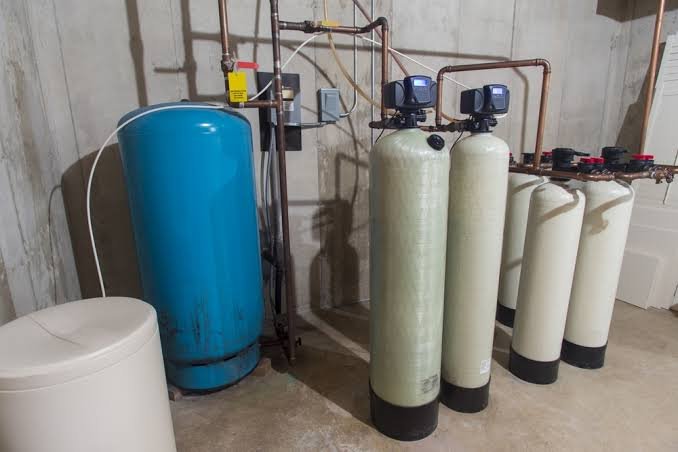
Modern Filtration Systems come in many forms, including under-sink units, whole-home systems, countertop equipment, and multi-stage setups.
The right option depends on how much water you want treated and where you want the treatment to happen.
Whole-Home or Point-of-Use?
This is another decision homeowners often overlook.
A point-of-use system treats water at one location, usually a kitchen faucet. It can be an excellent choice if your primary goal is better drinking and cooking water.
A whole-home system, on the other hand, treats water before it travels through the home’s plumbing. That means showers, bathroom sinks, laundry, and other fixtures can benefit from the treatment.
Neither approach is automatically better.
If you mainly care about the water you drink, a point-of-use system might be practical and affordable. If you want broader treatment throughout the property, whole-home equipment may make more sense.
Specialty Filters for Specific Concerns
Sometimes ordinary filtration isn’t enough.
Certain homes have unusual or more specific water-quality concerns that require a targeted solution. Depending on test results, a homeowner might need equipment designed to address iron, sediment, specific chemicals, or other contaminants.
This is where Specialty Water Filters can become useful. These products are designed around particular treatment goals rather than trying to solve every possible water problem with one cartridge.
That distinction matters. Water treatment is not one-size-fits-all.
A filter designed for chlorine reduction isn’t automatically the right solution for iron or hardness. Choosing equipment based on actual test results is generally a much smarter approach.
Don’t Forget About Maintenance
Buying a treatment system is only the beginning.
Filters need replacement. Some systems require cleaning. Softener salt levels need monitoring, and certain components have a limited service life.
Ignoring maintenance can gradually reduce performance. Sometimes the signs are obvious, such as poor water flow or a change in taste. Other times, the equipment simply becomes less effective without giving you a dramatic warning.
Keep a simple record of installation dates and filter replacements. Set a calendar reminder if necessary. It takes a few minutes, but it can prevent months of poor performance.
Think About Household Size
The number of people in your home matters more than you might expect.
A system that works beautifully for one or two people may be undersized for a family of five. Water usage increases with showers, laundry, cooking, dishwashing, and everyday cleaning.
System capacity should therefore be based on expected water consumption, not just the size of the house.
If you’re unsure about sizing, ask a qualified water treatment professional. A properly sized system should meet your household’s needs without being unnecessarily oversized.
Consider Installation and Long-Term Costs
The purchase price isn’t the whole story.
Before choosing a system, consider installation, replacement filters, electricity, salt, servicing, and the expected lifespan of major components.
A cheaper system isn’t necessarily cheaper over ten years if its cartridges are expensive or need frequent replacement. Likewise, an expensive system isn’t automatically better.
Look at the total cost of ownership.
That’s where a little research pays off.
Don’t Buy More Than You Need
Water treatment can become surprisingly complicated. There are systems with multiple tanks, numerous filtration stages, smart controls, monitoring features, and all sorts of technical specifications.
Some of these features are genuinely useful. Others may simply be unnecessary for your situation.
Start with the problem. Test the water. Understand the household’s needs. Then choose technology that addresses those needs.
It’s a much calmer way to shop, and usually a more economical one too.
Making the Right Choice
The best water treatment system isn’t necessarily the newest, largest, or most expensive option. It’s the one that solves the specific problems in your water without creating unnecessary complexity.
Start with testing. Consider whether you need whole-home or point-of-use treatment. Look at hardness, sediment, taste, odor, and any specific concerns. Then think about maintenance and long-term operating costs.
And don’t be afraid to ask questions before buying.
Good water treatment should make everyday life easier, not turn your utility room into a science laboratory. With the right information and a system suited to your home’s actual needs, cleaner, better-tasting water can become one of those quiet improvements you simply enjoy every day.
