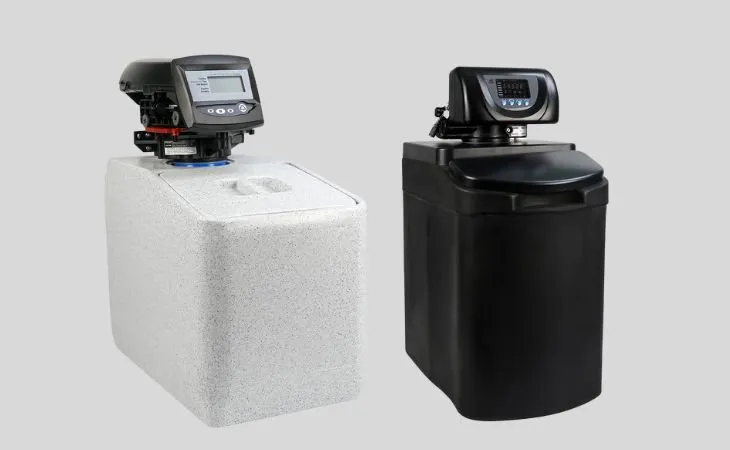
Hard water is one of those household problems you may not notice immediately. Then one day, the showerhead is covered in white scale, your glasses look cloudy, and the soap just doesn’t seem to lather properly. If that sounds familiar, a water softener could make a surprisingly noticeable difference.
But choosing one isn’t as simple as picking the first system you see. Homeowners often compare electric water softeners with non-electric models, wondering which option offers better performance, lower maintenance, and long-term value. The answer depends on your water quality, household size, plumbing setup, and even how much technology you actually want managing your water.
Let’s break down the differences without turning it into a chemistry lecture.
Why Hard Water Is More Than an Annoyance
Hard water contains elevated levels of minerals, particularly calcium and magnesium. These minerals aren’t usually a major concern for healthy people, but they can be rough on plumbing fixtures and appliances over time.
You might notice mineral deposits around faucets, reduced efficiency in water heaters, stiff laundry, or a thin film left behind after washing. Soap scum is another common complaint. Basically, hard water has a talent for making ordinary cleaning jobs feel like extra work.
A water softener works by reducing hardness minerals before they travel throughout your home. Most traditional systems use ion exchange, replacing calcium and magnesium ions with sodium or potassium ions.
That basic process is similar across many systems. What changes is how the softener controls its regeneration cycle.
How Electric Water Softeners Work
Many modern systems rely on electricity to operate a control valve and manage regeneration. These electric water softeners can monitor water usage, schedule regeneration, and automate several functions that would otherwise require manual adjustment.
For busy households, that automation can be a real advantage. The system can regenerate based on programmed settings or actual water consumption, depending on the model. You don’t have to constantly think about when the resin needs to be refreshed.
Some advanced units also provide digital displays, diagnostic information, and programming options. If you like having precise control over household equipment, this approach can be appealing.
There is, however, a small trade-off: the system needs electrical power. A power outage may temporarily affect its controls, although many units are designed with internal memory or other features to preserve programmed settings.
What Makes Non-Electric Softeners Different?
A non-electric system takes a more mechanical approach. Instead of depending on electronic controls, it may use water pressure, hydraulic mechanisms, or metered components to control regeneration.
That simplicity is the biggest attraction.
Non-electric water softeners can continue operating without a traditional electrical connection, making them useful in certain homes, remote properties, or situations where homeowners prefer fewer electronic components.
They’re also worth considering if you want a system that feels straightforward rather than overly computerized. There’s something reassuring about equipment that does its job without needing an app, display, or complicated programming menu.
Of course, “simpler” doesn’t automatically mean “better.” The right choice depends on how the system matches your household’s actual water consumption and plumbing conditions.
Don’t Ignore Water Pressure
Here’s a detail that sometimes gets overlooked during a water softener purchase: water pressure.
A softener is installed directly into your home’s water supply, so the system needs to work properly with your existing plumbing. If your household already has weak pressure, choosing equipment with unsuitable flow characteristics could make the situation more frustrating.
This is especially important in larger homes where several fixtures may operate at once. Imagine someone taking a shower while the washing machine is running and a dishwasher is filling. The softener needs to handle the expected flow without becoming an unnecessary bottleneck.
Before buying, check the manufacturer’s recommended flow rate and pressure requirements. If you’re unsure, having a plumbing professional evaluate your system can save you from an expensive mistake.
Comparing Installation and Maintenance
Installation requirements can vary considerably between models. Most whole-house softeners need to be connected to the incoming water line and typically require access to a drain and a suitable location for the equipment and salt or media tank.
Electric models add an additional consideration: access to a power source.
Maintenance is another factor. Traditional salt-based softeners generally require regular salt replenishment, regardless of whether the controls are electric or mechanical. The frequency depends on household water usage, water hardness, system capacity, and regeneration settings.
You’ll also want to keep an eye on the brine tank and periodically check for salt bridging or buildup. It’s not difficult maintenance, but it’s easy to forget until the system stops working as expected.
Which System Is More Efficient?
Efficiency isn’t determined solely by whether a softener uses electricity.
A well-designed system should use water and salt efficiently during regeneration. Metered regeneration can be particularly useful because the system responds to actual water consumption rather than regenerating on a rigid schedule.
For example, a household of two people probably doesn’t need the same regeneration pattern as a family of six. Oversizing or poorly programming a softener can lead to unnecessary salt and water consumption.
This is why system sizing matters. The hardness level of your water, daily household consumption, and peak flow demand should all be considered before selecting equipment.
Electric or Non-Electric: What Should You Choose?
There isn’t one universal winner.
An electric model may suit a household that values automation, precise controls, and convenient monitoring. If you want the system to handle regeneration decisions with minimal involvement, electronic controls can make life easier.
A non-electric system may make more sense if simplicity, independence from electricity, and mechanical operation are priorities. It can be particularly attractive for properties where electrical access is inconvenient or homeowners simply prefer fewer electronic components.
Budget matters too, but don’t make the purchase based only on the initial price. Consider salt consumption, water usage, maintenance, installation, replacement parts, and expected lifespan. A cheaper system that wastes more resources may not remain cheaper for long.
Test Your Water Before Buying
One of the smartest steps is also one of the easiest: test the water first.
Hardness levels can vary dramatically from one location to another, even between neighboring communities. If you’re dealing with well water, you may also have iron, manganese, sediment, sulfur compounds, or other issues that a basic softener isn’t designed to solve.
A proper water analysis helps identify what you actually need instead of relying on guesswork.
It may turn out that you need a softener, a sediment filter, an iron treatment system, or a combination of technologies. Buying equipment before understanding the water can be a bit like buying glasses without checking your eyesight.
The Bottom Line
Choosing between electric and non-electric water softeners ultimately comes down to your home, your water, and your preferences.
Electric systems offer convenience and automation, while non-electric models provide a simpler mechanical alternative. Neither is automatically the better choice for every household.
Start by understanding your water hardness and household demand. Then consider installation requirements, regeneration efficiency, maintenance, operating costs, and plumbing conditions. A properly sized and correctly installed system can help reduce scale, improve everyday cleaning, and protect water-using appliances.
And that’s really the goal—not owning the fanciest water softener on the market, but having a system that quietly does its job while you get on with everything else.
