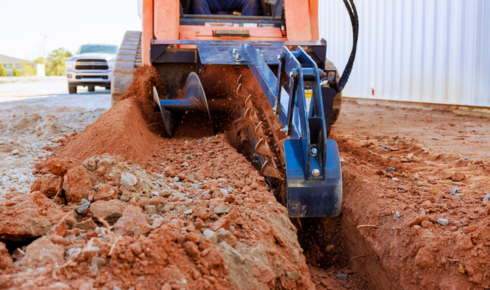
Before a new home, shop, workshop, or commercial building starts looking like anything real, there’s a quieter stage that has to happen first. It’s not the part people photograph. Nobody gets too excited about open dirt, marked lines, temporary fencing, or machinery moving slowly across a lot. But this early work can decide whether the rest of the project runs smoothly or becomes one long headache.
The truth is, every finished property depends on what happens below the surface. Water lines, sewer connections, electrical pathways, drainage routes, gas lines, and communication conduits all need space, direction, and protection. If that groundwork is rushed or poorly planned, the building above it may deal with problems for years.
Good Planning Starts Before the Digging
A construction site can look empty, but there’s usually a lot going on beneath it. Existing utilities may cross the property. Soil conditions might change from one area to another. The grade may need adjustment. Access for trucks, equipment, and crews has to be considered too.
This is where professional planning makes a difference. Before excavation begins, crews need to understand the layout, locate existing lines, review permits, and consider the future use of the property. A small mistake at this stage can slow inspections, delay other contractors, or require sections of work to be redone.
Reliable trenching services are a major part of this process because trenches must be dug at the right depth, width, and slope for the specific utility being installed. A sewer trench is not the same as a conduit trench. A water service line has different needs than a drainage run. Details matter, even when they are buried out of sight.
Utility Connections Are the Lifelines of a Property
Once a structure is built, people expect everything to work. Turn the faucet, water comes out. Flush the toilet, waste leaves. Flip a switch, power responds. It all feels simple from inside the building, but those simple comforts depend on careful underground connections.
Proper utility hookups help connect the property to essential services safely and efficiently. This may include water, sewer, gas, electric, storm drainage, or other infrastructure depending on the project. Each connection needs to meet code requirements and be installed in a way that supports long-term use.
Poorly installed hookups can create frustrating problems. A line placed too shallow may be vulnerable to damage. A bad slope can affect drainage. Weak backfill can settle later and damage pavement or landscaping. These are not the kind of issues anyone wants to discover after the building is occupied.
Site Conditions Can Change the Whole Job
No two properties are exactly the same. Some lots are open and easy to access. Others are tight, sloped, rocky, wet, or already crowded with existing utilities. A good crew doesn’t treat every site like a copy-and-paste project.
Strong site preparation takes those conditions seriously. It may involve clearing, grading, excavation, access planning, drainage correction, soil stabilization, and making sure the land is ready for construction traffic and utility work. It sounds basic, but it’s one of the most important stages of the entire project.
Think of it like cooking. You can have the best ingredients in the world, but if the prep is messy, everything after that becomes harder. Construction is similar. When the site is prepared correctly, the next phases can move with fewer surprises.
Why Experience Matters Underground
Underground work leaves very little room for guessing. Once the trench is backfilled and the surface restored, mistakes become harder and more expensive to reach. That’s why experienced crews focus on accuracy, safety, and coordination.
They know how to work around marked utilities, protect trench walls, manage water in the excavation area, and keep the project moving without creating unnecessary risk. They also understand how their work affects other trades. A plumber, electrician, concrete crew, or builder may all depend on underground utilities being installed correctly and on schedule.
Communication matters too. When changes happen — and they often do — everyone needs to know. A slight route adjustment or unexpected obstruction can affect the rest of the project if it isn’t handled clearly.
Safety Is Not Just a Formality
Excavation work can be dangerous when handled carelessly. Trenches can collapse. Equipment can strike hidden lines. Workers, pedestrians, and nearby property all need protection. That’s why professional crews follow safety procedures instead of treating them like paperwork.
Proper marking, trench protection, traffic control, equipment handling, and jobsite awareness all help prevent accidents. On commercial or residential development sites, safety also protects timelines. One preventable incident can stop work, create liability, and add unnecessary stress.
The Best Work Disappears Underground
One strange thing about utility and trenching work is that, when it’s done well, most people never think about it again. The trenches are filled. The surface is restored. The building goes up. Life moves on.
And that’s exactly the point.
Good underground construction is not meant to draw attention. It is meant to support everything above it quietly and reliably. A well-prepared site, properly placed utilities, and careful connections can save property owners from future repairs, delays, and unexpected costs.
So while the early dirt work may not look exciting, it deserves respect. It is the hidden foundation of a functional property. Long before the walls are painted or the lights are switched on, the real success of the project often begins in the ground.
