There’s a certain trust we place in water without really thinking about it. We turn on the tap, fill a glass, make tea, rinse vegetables, boil pasta, brush our teeth. Water is woven into the small, ordinary habits of a home. Most days, it doesn’t ask for attention.
But when something feels off, we notice it quickly.
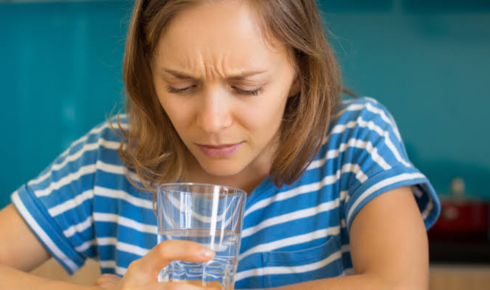
Maybe the water tastes strange. Maybe it smells faintly chemical. Maybe there are tiny particles sitting at the bottom of a glass after it’s been left on the counter. These little signs can make anyone pause for a second and wonder, “Is this really okay to drink?”
That question is more common than people admit. And honestly, it’s a fair one.
Why Water Quality Matters at Home
Clean drinking water is not just about thirst. It affects cooking, coffee, tea, ice cubes, baby bottles, pets, and even how confident people feel serving guests a glass from the tap. When water tastes fresh and looks clean, nobody thinks twice. When it doesn’t, the whole kitchen routine changes.
Many households deal with poor drinking water quality without realising how much it shapes daily life. People start buying bottled water, keeping filter jugs in the fridge, or avoiding tap water unless it’s boiled first. Over time, these habits become normal, even though they are usually signs that the water deserves a closer look.
Not every water problem is dangerous, of course. Some issues are more about taste, smell, appearance, or comfort. Still, water that feels unpleasant often leads families to drink less of it, and that’s not ideal either.
The Taste That Makes People Reach for Bottled Water
One of the most familiar complaints is a strong chlorine taste. Municipal water systems often use chlorine or similar disinfectants to help control bacteria, which is important for public health. The trouble is, by the time that water reaches your kitchen tap, the taste can be noticeable.
Some people describe it as pool-like. Others say it gives tea or coffee a flat, bitter edge. Children may refuse it completely. Even ice cubes can carry the flavor, which is annoying when you pour a fresh drink and it somehow tastes like the freezer and a swimming pool met each other.
This is one reason many homeowners consider carbon filtration or other drinking water systems. The goal is not to remove necessary safety measures from the water supply, but to improve what comes out of the tap once the water reaches the home.
When Water Looks Clean but Leaves Something Behind
Taste is easy to notice, but appearance matters too. Sometimes water looks clear as it flows, yet leaves tiny particles in a glass, sink, or appliance. This may come from ageing pipes, local water main work, minerals, rust, or disturbances in the supply line.
Small amounts of sediment can make water feel less trustworthy, even when it is not causing an immediate health concern. Nobody wants gritty water in their kettle or cloudy particles floating in a drinking glass. It also doesn’t help appliances. Coffee makers, refrigerator dispensers, water heaters, and washing machines can all be affected over time when particles keep passing through.
A sediment filter may help in some situations, especially where visible particles are a repeated issue. But testing is still the sensible first step, because not all particles come from the same source.
Why Guessing Usually Doesn’t Fix the Problem
A lot of people try quick fixes first. They boil water. They buy a pitcher filter. They switch detergents. They clean the kettle with vinegar. They replace the faucet aerator. Sometimes these steps help a little, and sometimes they just hide the issue for a week.
The problem is that water quality can be affected by many things: chlorine, minerals, iron, old pipes, organic matter, dissolved solids, pH levels, or local supply changes. Without testing, it’s easy to spend money on a solution that only fixes part of the problem.
A simple water test can tell you much more than taste alone. It helps identify what is actually in the water and whether a basic drinking water filter, whole-house filtration system, softener, reverse osmosis unit, or another treatment option makes sense.
How Better Water Changes Small Daily Habits
When tap water improves, the difference is often quiet but noticeable. People drink more water because it tastes better. Coffee becomes smoother. Tea loses that odd aftertaste. Soups, rice, pasta, and sauces taste cleaner because the base ingredient is cleaner.
There is also less dependence on bottled water. That means fewer plastic bottles, less storage space wasted, and fewer heavy cases carried in from the car. It’s a practical change, but it feels good too.
Better water also builds confidence. You don’t hesitate before filling a guest’s glass. You don’t wonder whether the particles in the kettle are normal. You don’t feel like the kitchen tap is only there for washing dishes.
A Thoughtful Ending Starts at the Tap
Water should not feel complicated. It should be something you can trust, use, and enjoy without turning every glass into a small investigation. But when the signs are there — strange taste, odd smell, visible particles, or constant reliance on bottled water — it’s worth paying attention.
The smartest approach is simple: test the water, understand the issue, and choose the right treatment based on real results. Not fear. Not guesswork. Just practical care for something your home uses every single day.
Because in the end, good water is not a luxury. It’s one of those quiet comforts that makes the whole house feel a little more settled.
