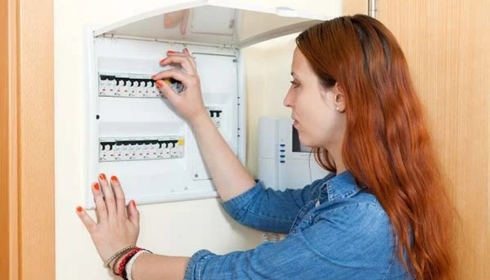
Most people don’t think much about their electrical panel until something annoying starts happening repeatedly. Maybe the microwave shuts off the kitchen lights. Maybe the breaker trips every time the air fryer and coffee maker run together. Sometimes it’s just a strange flicker in the hallway lights that makes you pause for a second before moving on with your day.
At first, these things feel minor. Easy to ignore. Life gets busy, and honestly, most homeowners aren’t excited about opening the electrical panel and trying to figure out what’s happening inside.
But electrical systems have a way of giving warnings before bigger problems arrive.
And the truth is, many homes today are demanding far more electricity than they were originally designed to handle.
Modern Homes Use More Power Than Ever
Think about how much electricity an average household uses now compared to thirty or forty years ago. Home offices, gaming systems, giant televisions, smart appliances, electric vehicle chargers, air fryers, multiple laptops, phones charging constantly — the list keeps growing.
Older homes weren’t built with this kind of demand in mind.
Back then, families typically had fewer appliances and simpler electrical needs overall. Today, even a regular weekday can place enormous strain on an aging electrical system without homeowners realizing it.
That’s why small warning signs matter more than people think.
Breakers Trip for a Reason
One of the most common complaints homeowners mention is that the circuit breaker keeps tripping unexpectedly. A lot of people treat this like a minor inconvenience instead of what it actually is — a safety mechanism doing its job.
Breakers trip because the system is trying to protect the home from overloads or electrical faults. If it happens occasionally after plugging in something unusually demanding, that’s one thing. But if breakers trip regularly during normal daily use, the electrical system may be struggling to keep up.
And honestly, repeatedly resetting the breaker without understanding the cause isn’t really solving the problem.
It’s sort of like putting tape over a warning light in your car dashboard and pretending everything’s fine.
Why Older Panels Struggle
Electrical panels distribute power throughout the house, and older systems often simply lack the capacity modern households require. In many cases, home panel amperage too low becomes the underlying issue behind constant electrical frustrations.
Homes built decades ago may still operate on 60-amp or 100-amp service panels that were perfectly acceptable years ago but feel overwhelmed today. Modern homes often require 200-amp service or higher depending on appliance usage and household size.
The difficult part is that homeowners gradually adapt to electrical limitations without realizing how abnormal things have become.
People start avoiding running multiple appliances together. They memorize which outlets cause problems. They leave certain devices unplugged unless absolutely necessary. Over time, these workarounds start feeling normal.
Until something finally stops working entirely.
Flickering Lights Aren’t Always Harmless
A brief flicker when the HVAC system starts might not seem like a huge issue. But recurring flickering, dimming, buzzing sounds, or warm outlets can all signal that the electrical system is under stress.
Loose connections, overloaded circuits, aging breakers, and outdated panels sometimes create these symptoms long before a major failure happens.
One homeowner I spoke with ignored flickering kitchen lights for months because “everything still technically worked.” Later, an electrician discovered overheating connections inside the panel that could’ve eventually become a serious fire hazard.
That’s the tricky thing about electrical systems — problems often stay hidden until they become dangerous.
Renovations Often Reveal Electrical Weaknesses
A lot of homeowners don’t realize their panel is outdated until they renovate part of the house. Adding a new HVAC system, electric stove, home office setup, or EV charger suddenly pushes the existing system beyond what it can safely support.
That’s when electricians often point out the signs you need new electrical panel upgrades before additional improvements can move forward safely.
Frequent breaker trips, rust inside the panel, outdated fuse boxes, burning smells, buzzing sounds, or insufficient circuit space are all common indicators that the system may no longer meet the home’s electrical demands.
And honestly, older panels sometimes continue functioning long after they should’ve been replaced. That doesn’t necessarily mean they’re operating safely.
Electrical Problems Create Quiet Stress
One thing people rarely talk about is the subtle anxiety electrical issues create inside a home. Homeowners start wondering whether it’s safe to run appliances normally. They hesitate before plugging in space heaters or power tools. Every strange flicker suddenly feels suspicious.
That uncertainty wears on people over time.
Reliable electrical systems quietly support everyday life in ways most people never notice when everything works correctly. Lights turn on. Devices charge. Appliances run smoothly. Nobody thinks twice about it.
But once electrical problems begin interfering with routines, the entire house somehow feels less stable.
Preventative Upgrades Usually Save Trouble Later
A lot of homeowners delay electrical upgrades because the system “still works.” And to be fair, full panel replacements aren’t exactly exciting home projects. Nobody shows off their electrical panel to guests the way they might show off a renovated kitchen.
But preventative upgrades often prevent far bigger headaches later.
Modern electrical panels offer improved safety features, increased capacity, and more reliable performance for today’s energy demands. They also provide flexibility for future renovations or appliance additions without constantly stressing the system.
And honestly, peace of mind matters too. Knowing the electrical system can safely support daily life without constant breaker issues allows homeowners to stop worrying every time the lights flicker briefly.
The Best Home Systems Stay Invisible
The funny thing about essential home systems is that the best ones are usually the least noticeable. Plumbing, electrical work, heating — when they function properly, homeowners barely think about them at all.
That’s probably the goal.
A reliable electrical system quietly supports comfort, safety, and convenience behind the scenes every single day. And while electrical panels may not be glamorous, they play a bigger role in daily life than most people realize until problems start interrupting routines.
Sometimes the smartest home improvement isn’t the one everyone notices immediately. It’s the one that makes everything else work better without demanding attention at all.
