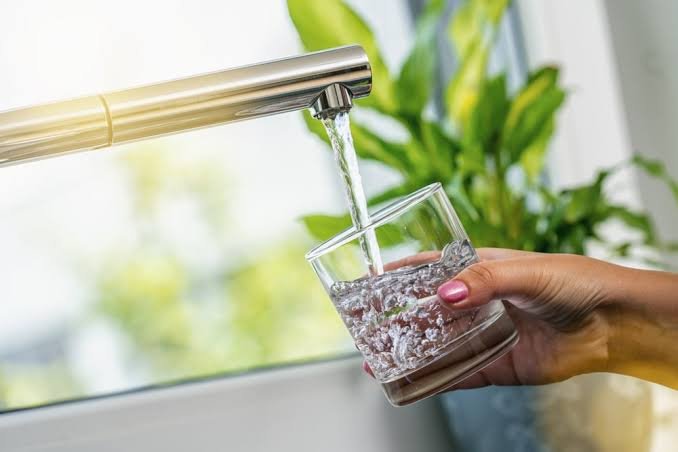
There’s something oddly satisfying about pouring a glass of water straight from the tap and actually looking forward to drinking it.
No plastic bottle sitting on the counter. No second thoughts about the taste. No strange smell that makes you put the glass down after one sip. Just fresh water, ready when you need it.
For many homeowners, that simple experience is exactly what they want. Water is part of almost everything we do during the day, yet we tend to notice it only when something doesn’t feel right. Maybe coffee tastes slightly off. Maybe the tap water has an unusual odor. Perhaps you’re tired of carrying cases of bottled water home every week.
Whatever starts the conversation, the goal is often the same: finding a practical way to enjoy better water at home without turning the kitchen into a science laboratory.
The good news is that modern water treatment options can make that goal much more achievable. The important part is understanding your water first and then choosing a system that fits your actual needs.
Why Tap Water Isn’t Always the Same Everywhere
Water can vary significantly from one area to another. The source, local geology, treatment methods, pipes, and even the plumbing inside a particular home can influence the water that eventually reaches the kitchen faucet.
Some homeowners deal with mineral-heavy water. Others notice chlorine-like taste or odor. In certain areas, sediment can be a concern, while private well owners may have a completely different set of questions.
That’s why two neighbors can sometimes have different experiences with water, especially if their plumbing systems aren’t identical.
A clear-looking glass of water can also be misleading. Appearance tells part of the story, but not necessarily everything. Taste and odor can offer clues, yet they aren’t reliable substitutes for proper testing when there is a genuine concern.
Taking a closer look at the water before choosing treatment equipment can prevent a common mistake: buying a system based on a marketing promise instead of an actual household need.
The Appeal of Better Water at Home
For most families, the dream isn’t complicated. They simply want clean, pure water right from your tap without constantly buying, storing, or throwing away plastic bottles.
Having convenient access to treated drinking water can change everyday habits in small but meaningful ways. You might fill a reusable bottle before leaving for work. Children can grab water without opening another packaged drink. Cooking becomes easier when you’re comfortable using the water directly from the kitchen.
And then there’s coffee.
Anyone who enjoys a good cup knows that water plays a surprisingly large role in the final taste. The same is true for tea, soups, pasta, and plenty of other foods. If the water has an unpleasant taste or odor, it can sometimes make its way into whatever you’re preparing.
A good water treatment solution isn’t about making a kitchen look more high-tech. It’s about making an everyday resource more enjoyable and convenient.
Start With Information, Not Assumptions
The temptation to buy the first filter you find online is understandable. There are plenty of products promising amazing results, and the options can be overwhelming.
But water treatment isn’t really a one-size-fits-all situation.
One home may need help with sediment. Another may have hardness issues. Someone else may be focused primarily on drinking-water quality. These concerns can require different technologies and different approaches.
That’s where a free water analysis and consultation can be useful, especially when it provides homeowners with a clearer starting point. The purpose should be to understand the characteristics of the water and discuss appropriate treatment options rather than simply pushing the largest or most expensive system available.
A useful consultation can help answer practical questions. What is causing the unusual taste? Is there noticeable mineral content? Would a point-of-use system be enough, or is a broader treatment approach worth considering?
The more clearly you understand the problem, the easier it becomes to avoid spending money on equipment you don’t actually need.
Looking at Advanced Drinking Water Options
There are many different types of drinking water systems available today. Some use carbon filtration to improve taste and odor, while others use multi-stage processes designed to address a wider range of dissolved substances.
One option homeowners may come across is the Kinetico K5 Drinking Water Station, a system designed as an advanced drinking-water treatment solution. Like any major water treatment purchase, it makes sense to look beyond the name on the equipment and consider whether the system’s features align with the household’s water conditions and daily needs.
Questions about installation, maintenance, replacement filters, water production, available space, and long-term costs should all be part of the decision.
A system can sound impressive on paper but still be the wrong fit for a particular home. On the other hand, the right system may quietly make a noticeable difference for years.
That’s the goal, really—not buying technology for the sake of technology, but finding something that solves a genuine problem.
Convenience Matters More Than People Realize
One reason homeowners continue searching for better water solutions is convenience.
Buying bottled water can feel easy at first. Pick up a case at the store, bring it home, and you’re done. But over time, the routine becomes a little tiresome. There are bottles to carry, storage space to find, and recycling or disposal to manage.
A reliable drinking water system can simplify that routine.
Instead of thinking about whether there are enough bottles left in the pantry, you simply use the water system at home. Fill a glass. Refill a bottle. Make dinner. Move on with the day.
Of course, convenience also depends on maintenance. Filters and treatment components have service requirements, and keeping up with those requirements is part of owning any water system.
Fortunately, regular maintenance is usually easier than dealing with a system that has been ignored for years. Checking service schedules and understanding replacement requirements before purchasing can save frustration later.
Water Treatment Should Fit the Household
Every home uses water differently.
A family of five may consume far more drinking water than a couple living in a small apartment. Someone who cooks every day might place more value on treated kitchen water than a person who rarely prepares meals at home.
There are also practical considerations. How much space is available under the sink? What is the household’s budget? Does the system require professional installation? Are replacement filters readily available?
These questions aren’t glamorous, but they’re important.
Sometimes a simple system is enough. In other cases, a more advanced multi-stage treatment system may make sense. The best choice is usually the one that fits comfortably into daily life instead of creating another complicated maintenance task.
It’s also worth remembering that a drinking-water system may address only one part of the home’s overall water situation. If hard water, sediment, or other issues affect showers, laundry, appliances, and plumbing, a separate whole-home solution could be worth exploring.
Different problems sometimes need different tools.
The Value of Drinking Water You Actually Enjoy
When water tastes good and is easy to access, people tend to drink more of it. That’s not a revolutionary discovery, but it’s one of those simple truths that can easily get overlooked.
Think about your own habits. If the tap water has an unpleasant smell or flavor, you’re more likely to reach for something else. But when filling a glass is easy and enjoyable, water naturally becomes part of the routine.
That convenience can also make a home feel a little more self-sufficient. There’s no last-minute trip to the store because the bottled water supply has disappeared. No stack of empty bottles waiting near the door.
Just turn on the tap.
A Thoughtful Choice Can Make Everyday Life Easier
Choosing a water treatment system shouldn’t be driven by fear, flashy advertisements, or the idea that the most expensive option must be the best.
A smarter approach is to start with information. Understand the water source. Test when appropriate. Identify what you want to improve, and then compare solutions that are actually designed for that purpose.
The right system may improve taste, reduce specific substances, or simply give you more confidence in the water used for drinking and cooking.
At the end of the day, that’s what makes a good water solution worthwhile. It quietly fits into your life.
You probably won’t stand in the kitchen every morning thinking about filtration technology or treatment stages. You’ll just fill your glass, make your coffee, pack a bottle for the day, and carry on.
And honestly, that’s probably the best result of all: better water without having to think about it.
