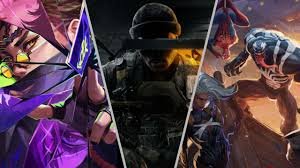
There was a time—not that long ago—when choosing a gaming platform felt like picking a side. You were either a PlayStation person, an Xbox loyalist, or someone who swore by PC gaming. And once you chose, that was pretty much it. Your friends had to be on the same system, or you were playing solo.
Fast forward to today, and that wall is slowly—almost reluctantly—coming down.
You can now jump into a match with someone playing on a completely different device, and it just… works. No complicated setup, no awkward workarounds. It’s seamless enough that you almost forget how fragmented things used to be.
What Cross-Platform Gaming Actually Means
At its core, cross-platform gaming allows players on different devices—console, PC, even mobile—to play together in the same game environment. It sounds simple, but technically, it’s anything but.
Different hardware, different control systems, different performance capabilities—all of these have to align in a way that feels fair and functional. And yet, somehow, developers are making it happen.
Games like Fortnite, Call of Duty: Warzone, and Minecraft have shown that it’s not just possible—it’s incredibly popular.
Why Players Love It (And Honestly, Who Wouldn’t?)
The biggest win is obvious: you don’t have to leave your friends behind just because you’re on a different platform.
Maybe you prefer a console, your friend plays on PC, and someone else uses a tablet. Earlier, that would’ve been a dealbreaker. Now, it’s just a detail.
There’s also the convenience factor. You can start a game on one device and continue on another. For people juggling work, studies, or just life in general, that flexibility matters more than we often admit.
It’s gaming that adapts to you, not the other way around.
The Business Side of Things
From a developer’s perspective, cross-platform functionality opens up a much larger audience. More players mean more engagement, more in-game purchases, and ultimately, more revenue.
But it’s not purely about money. There’s also a shift in mindset. Instead of competing platforms trying to lock users in, there’s a gradual move toward collaboration—or at least, coexistence.
That said, not every company is equally enthusiastic. Platform exclusivity still exists, and probably will for a while.
The Real Challenges Behind the Scenes
For all its advantages, cross-platform gaming isn’t exactly easy to implement.
Balancing gameplay is one of the biggest hurdles. A PC player using a mouse and keyboard might have a clear advantage over someone using a controller. Developers have to find ways to level the playing field without making the experience feel artificial.
Then there’s the issue of performance. Not all devices can handle the same graphics or frame rates. Ensuring a consistent experience across platforms requires careful optimization—and a lot of compromise.
This is where the discussion around Cross-platform gaming ka future aur challenges becomes more than just a trend—it becomes a technical and strategic conversation.
Security and Fair Play
Another layer that doesn’t get talked about enough is security.
Cross-platform environments can be more vulnerable to cheating, especially when different systems have different levels of protection. Maintaining fair play across all platforms is an ongoing battle.
Developers constantly update anti-cheat systems, but it’s a bit like a game of cat and mouse. As one side evolves, so does the other.
The Role of Cloud Gaming
Cloud gaming is quietly entering this conversation as well.
With platforms like Xbox Cloud Gaming or NVIDIA GeForce Now, the idea of “device limitations” starts to fade. Games are processed on powerful remote servers and streamed to your device, which means even a basic smartphone can run high-end titles.
If this technology continues to improve, cross-platform gaming could become even more seamless—almost invisible.
Where Things Might Be Heading
It’s tempting to imagine a future where platforms don’t matter at all. Where you just log in, pick a game, and play—regardless of the device in your hand.
We’re not fully there yet, but we’re definitely moving in that direction.
At the same time, there will always be trade-offs. Performance differences, control preferences, and business strategies will continue to shape how far cross-platform gaming can go.
A Thought to Wrap It Up
In many ways, cross-platform gaming reflects a broader shift in how we interact with technology.
We’re moving away from rigid ecosystems and toward more connected, flexible experiences. It’s not perfect, and it probably never will be—but it’s getting closer.
And maybe that’s the point.
Gaming, at its heart, has always been about connection—between players, between worlds, between moments. If breaking down platform barriers helps strengthen that connection, then it’s a direction worth exploring.
Even if it comes with a few complications along the way.
