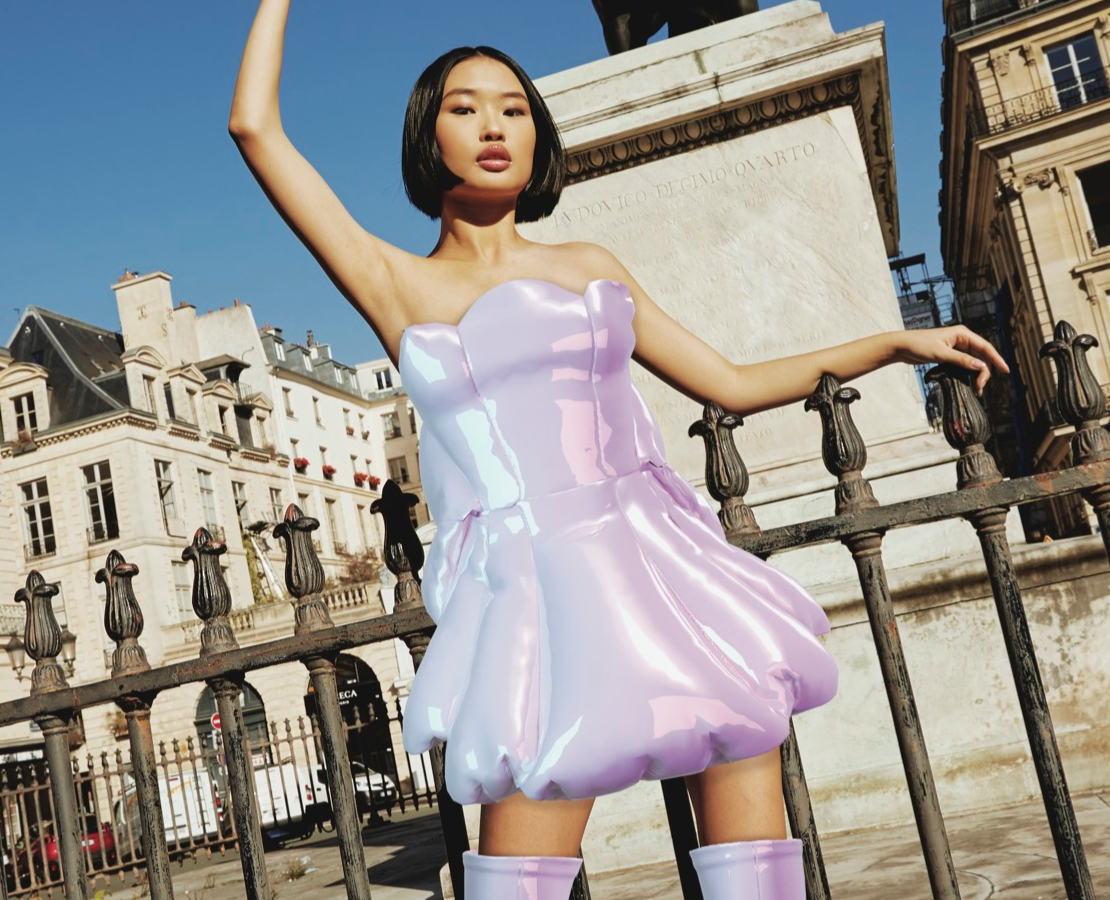
There’s something oddly satisfying about wearing something new. Not just clean — new. The kind of outfit that makes you stand a little straighter, check yourself twice in the mirror, maybe even click a few extra photos. But here’s the thing — how many times do we actually wear those clothes again?
If you think about it, a lot of fashion purchases, especially for weddings or big events, end up sitting in wardrobes like expensive souvenirs. Beautiful, yes. Practical? Not really.
And somewhere between that realization and the growing awareness around sustainability, rental fashion started finding its place.
The Shift From Ownership to Access
Owning clothes has always been the default. You buy, you wear, you store. But over time, this model started to feel inefficient, especially for occasion wear.
Why spend thousands (sometimes lakhs) on something you’ll wear once or twice?
Rental platforms tapped into this question. Instead of ownership, they offered access. You could wear designer outfits, premium styles, or trendy pieces — without committing to them forever.
It’s a subtle shift, but a powerful one.
How Rental Fashion Platforms Actually Work
At the core, the model is simple. Platforms invest in a curated inventory of clothing — often designer or premium wear — and rent them out to customers for a limited period.
Customers browse, select, rent, wear, and return. Sounds easy enough.
But behind the scenes, it’s more complex. Inventory management, cleaning, logistics, damage control — there’s a lot happening to ensure the next customer gets a near-new experience.
Companies like Flyrobe and Rent An Attire have built entire systems around this process, balancing demand with maintenance.
Why It’s Gaining Popularity in India
India is, in many ways, the perfect market for rental fashion. Think about the number of weddings, festivals, and social events. Dressing up is almost a cultural expectation.
At the same time, fashion trends change rapidly. What looked great last season might feel outdated now.
This combination — high demand for variety and low repeat usage — creates a natural space for rentals to thrive.
And when you look closely at Rental fashion platforms ka business model India me, you start to see how it aligns with both consumer behavior and economic practicality.
The Price Advantage (and Its Limits)
One of the biggest selling points is cost. Renting an outfit is significantly cheaper than buying it outright, especially when it comes to designer wear.
But it’s not always about saving money. Sometimes, it’s about accessing something you wouldn’t normally afford.
Still, there are limitations. Frequent renters might end up spending a lot over time. And for everyday wear, buying still makes more sense.
So the value of rentals often lies in occasional use, not daily convenience.
The Sustainability Angle
There’s also a growing awareness around sustainable fashion. Fast fashion has made clothes cheaper, but at a significant environmental cost.
Rental platforms offer a different approach — fewer clothes, more usage cycles.
It’s not a perfect solution, but it’s a step toward reducing waste. Instead of ten people buying ten similar outfits, one outfit gets used ten times.
That shift, even if small, adds up.
Challenges Behind the Glamour
Running a rental fashion business isn’t as glamorous as it looks.
Maintaining quality is a constant challenge. Clothes go through wear and tear. Cleaning needs to be thorough but gentle. Logistics have to be precise — late deliveries can ruin customer trust instantly.
Then there’s sizing. Unlike buying, where you can alter clothes, rentals need to fit well from the start.
All of this makes the business operationally intense, even if the front-end experience feels seamless.
Who Is This Model Really For?
Rental fashion doesn’t replace traditional shopping — it complements it.
It’s ideal for:
- Wedding guests who don’t want to repeat outfits
- People attending one-time events
- Fashion enthusiasts who love experimenting without long-term commitment
But for daily wear, basics, or personal staples, ownership still wins.
It’s less about choosing one over the other and more about using each where it fits best.
A Cultural Shift in Progress
What’s interesting is that rental fashion isn’t just changing how people shop — it’s changing how they think about clothing.
The idea that you don’t need to own something to enjoy it is slowly becoming more acceptable. Especially among younger consumers who value experiences over possessions.
It’s a quiet shift, but it’s happening.
Final Thoughts
Rental fashion platforms in India are not just a trend — they’re a response to changing lifestyles, economic realities, and environmental concerns.
They won’t replace traditional retail entirely, and they don’t need to. Their strength lies in offering flexibility, variety, and access.
And maybe that’s enough.
Because at the end of the day, fashion isn’t really about ownership. It’s about expression. And if you can express yourself without filling up your wardrobe with clothes you’ll rarely wear — that’s a win worth considering.
