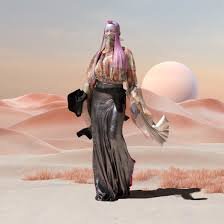
Walk into any modern clothing store—offline or online—and you’ll start noticing a quiet shift. The “men’s” and “women’s” sections are still there, sure, but somewhere in between, something new is emerging. Oversized shirts that don’t belong to a category. Hoodies marketed to “everyone.” Denim cuts that feel less about gender, more about comfort.
It’s not loud. It’s not always clearly labeled. But it’s happening.
Gender-neutral fashion, once considered niche or experimental, is steadily becoming part of the mainstream conversation. And like most cultural shifts, it didn’t happen overnight.
A Change That Feels Cultural, Not Just Commercial
At its core, fashion reflects how people see themselves.
For decades, clothing was boxed into strict definitions—certain colors, silhouettes, even fabrics assigned to “men” or “women.” But identity today feels more fluid. People want choices that match how they feel, not how they’re expected to look.
This isn’t just about breaking rules for the sake of it. It’s about comfort—physical and emotional.
And brands, as always, are paying attention.
Gender-neutral clothing brands ka growth analysis
If you look closely at market trends over the past few years, the growth of gender-neutral fashion isn’t accidental—it’s responsive.
Younger consumers, especially Gen Z, are driving this change. They value individuality over conformity, and they’re less interested in labels that feel restrictive. For them, clothing is less about “fitting in” and more about “expressing out.”
Brands that understand this are seeing traction. Not just in sales, but in loyalty. Because when people feel seen, they tend to stick around.
Interestingly, even traditional labels are adapting. Some are launching unisex collections, while others are quietly blurring the lines in their designs without making a big announcement.
It’s less about shouting “we’re inclusive” and more about showing it through product.
Design That Focuses on Fit, Not Gender
One of the biggest shifts is happening in how clothes are designed.
Instead of tailoring pieces specifically for male or female body types, designers are focusing on versatility. Relaxed fits, adjustable elements, and neutral palettes are becoming more common.
But this isn’t about making everything oversized and calling it a day.
Good gender-neutral design still considers proportion, comfort, and functionality. It just approaches them differently—without assuming who the wearer is supposed to be.
And when done right, it works surprisingly well.
The Role of Streetwear and Pop Culture
If you’ve followed fashion even casually, you’ll know that streetwear has played a huge role in normalizing gender-neutral clothing.
Hoodies, sneakers, cargo pants—these were never strictly gendered to begin with. Over time, they became the foundation for a more inclusive style language.
Celebrities and influencers have also contributed, often wearing pieces that don’t fit into traditional categories. And because pop culture moves fast, these choices ripple outward quickly.
What was once considered “different” starts to feel normal.
Retail Is Slowly Catching Up
While the concept is gaining traction, retail still has some catching up to do.
Most stores are still organized by gender, simply because that’s how shopping has worked for years. Changing that structure isn’t easy—it involves logistics, inventory systems, and customer behavior.
But online platforms are leading the shift. Without physical constraints, they can categorize products more flexibly. Filters like “unisex” or “inclusive sizing” are becoming more common.
It’s a small change, but it matters.
Challenges That Still Exist
Let’s not pretend everything is perfect.
Sizing remains one of the biggest challenges. A truly gender-neutral piece should fit a wide range of body types, which isn’t always easy to achieve. What works for one person might not work for another.
There’s also the risk of brands treating gender-neutral fashion as a trend rather than a long-term commitment. Slapping a “unisex” label on a product without thoughtful design can feel superficial.
Consumers are getting smarter, though. They can tell the difference.
Why This Shift Matters Beyond Fashion
It’s tempting to see this as just another trend—like any other style cycle.
But it’s a bit deeper than that.
Gender-neutral fashion is part of a broader conversation about identity, expression, and inclusion. It challenges the idea that clothing needs to define who you are in rigid terms.
Instead, it gives you space to define that for yourself.
And in a world that often tries to categorize everything, that kind of freedom feels refreshing.
Final Thoughts
Fashion has always evolved, but some shifts feel more meaningful than others.
The rise of gender-neutral clothing isn’t just about new silhouettes or marketing strategies. It’s about changing perspectives—on identity, on choice, on what it means to feel comfortable in your own skin.
It won’t replace traditional fashion entirely, and it doesn’t need to. There’s room for both.
But it does offer an alternative. One that feels a little more open, a little less defined.
And maybe that’s exactly what people have been looking for.
