You’ve just bought a new set of white towels, and after a couple of washes, they’re already developing an unpleasant orange tint. Meanwhile, reddish streaks keep appearing around your bathroom faucets, no matter how often you clean them. If your Tampa Bay home relies on a private well, excessive iron could be behind these familiar frustrations.
Problems involving iron & rust aren’t always easy to manage with ordinary household cleaning products. That’s because the source of the staining may be the water itself rather than the surfaces you’re trying to keep clean.
Fortunately, understanding how iron enters groundwater and choosing suitable treatment can make household maintenance much more manageable. It starts with identifying the problem instead of repeatedly dealing with its consequences.
Why Iron Finds Its Way Into Well Water
Groundwater moves through layers of soil and rock, collecting naturally occurring minerals along the way. Under certain conditions, iron dissolves into the water and eventually enters your household plumbing.
What’s particularly interesting is that water containing dissolved iron can initially look perfectly clear. After exposure to oxygen, however, reddish-brown particles may begin forming.
That explains why water sometimes develops discoloration after sitting in a glass or bathtub for a while.
Rust can also originate from deteriorating metal pipes and plumbing components. If discoloration occurs at only one faucet, the problem might be localized rather than connected to your entire groundwater supply.
Proper testing and inspection can help distinguish between these possibilities before you spend money on treatment equipment.
Finding Filtration That Addresses the Real Problem
Buying an ordinary water filter might seem like the obvious solution, but iron isn’t always that straightforward. Different forms of iron require different treatment approaches.
Effective filtration solutions for private wells take water chemistry, iron concentrations, pH levels, and household consumption into consideration.
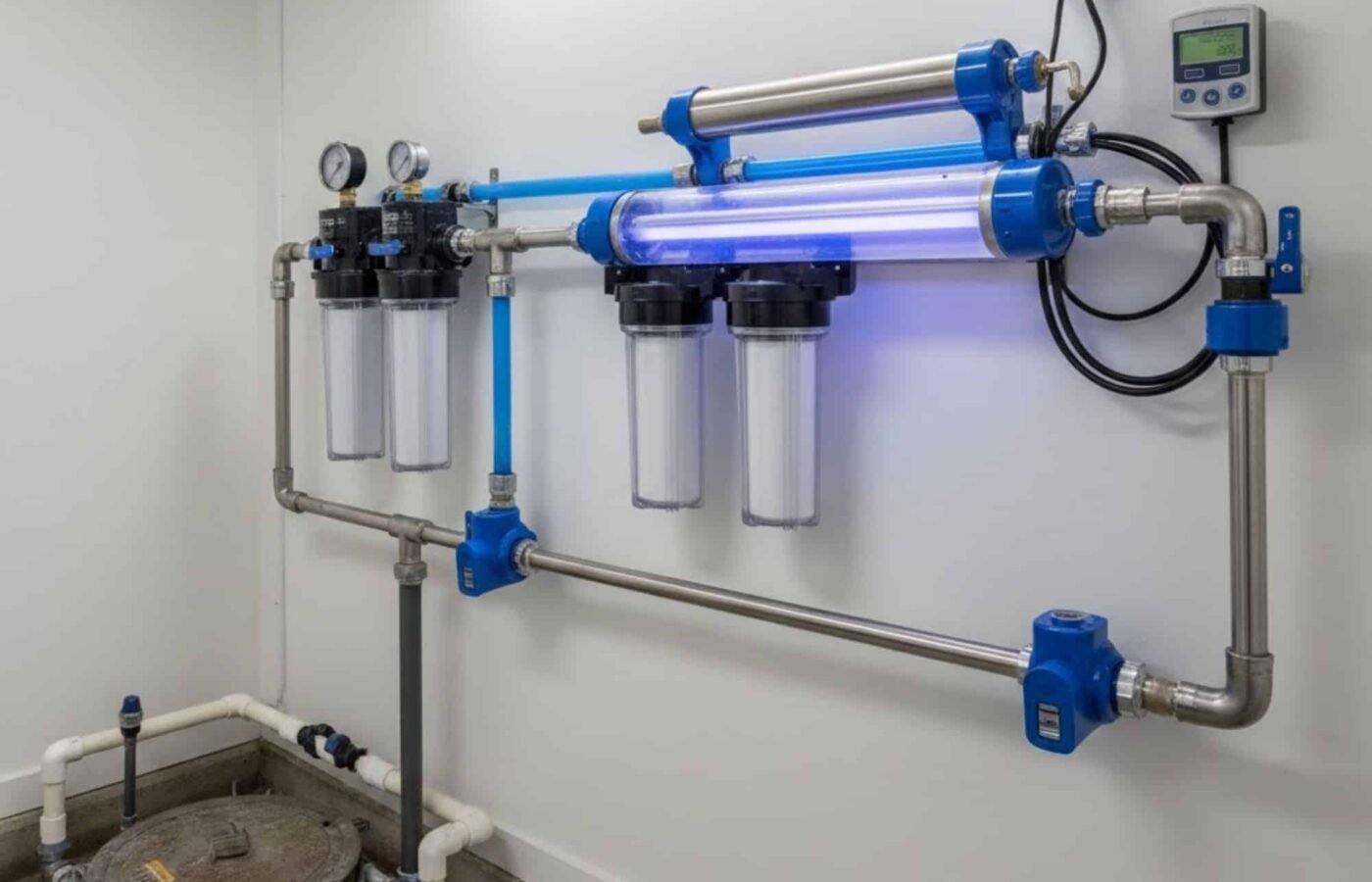
Mechanical filters can capture suspended iron particles. Dissolved iron, on the other hand, may require oxidation before those particles can be filtered out effectively.
Some specialized systems use air injection to encourage oxidation, while others incorporate suitable oxidizing agents and filtration media.
The appropriate method depends on your laboratory results and existing plumbing arrangements.
Don’t be afraid to ask a treatment professional why a particular system is being recommended. Understanding what happens inside the equipment makes it easier to appreciate its value and maintenance requirements.
Looking Beyond Rust Stains and Unpleasant Flavors
Visible discoloration naturally attracts attention, but it shouldn’t be the only reason you investigate your groundwater quality.
A comprehensive approach to well water quality treatment also considers contaminants that may not produce noticeable changes in appearance, taste, or smell.
Private well owners should arrange annual laboratory testing for bacteria and nitrate, along with additional assessments based on local conditions.
Testing for hardness, iron, manganese, and pH can provide useful information when selecting treatment equipment.
Tampa Bay homeowners with wells near coastal areas may also want to investigate unusually salty water or changes in dissolved solids.
Reliable testing helps separate aesthetic concerns from potential health-related issues. Clear water isn’t necessarily safe water, and removing reddish stains alone doesn’t establish drinking water safety.
Making Laundry Day and Bathroom Cleaning Less Exhausting
There’s something satisfying about a freshly cleaned bathroom. Unfortunately, when excessive iron is present, that satisfaction can be rather short-lived.
Orange streaks around sinks, discolored toilet bowls, and stained clothing can make ordinary household responsibilities unnecessarily frustrating.
Appropriate iron removal helps reduce the conditions responsible for new staining. Existing discoloration may still require specialized cleaning, but addressing the incoming water offers a more practical long-term solution.
Think about how much time you spend washing towels, cleaning showers, and maintaining household surfaces throughout the year.
Even a modest reduction in recurring stains could make these responsibilities easier.
And considering Tampa Bay’s beautiful outdoor surroundings, there are certainly more enjoyable ways to spend a Saturday afternoon than scrubbing the same bathroom sink again.
Can Your Existing Water Softener Remove Iron?
Some homeowners already have a water softener installed and wonder whether it can handle their iron problems as well.
Conventional softeners primarily reduce dissolved calcium and magnesium. Certain models may also accommodate limited concentrations of dissolved iron under appropriate operating conditions.
However, excessive iron can interfere with resin performance and increase maintenance requirements.
Dedicated iron removal equipment may be a better option when concentrations exceed the softener’s treatment capabilities.
In some properties, installing iron filtration ahead of softening can provide a complementary treatment arrangement.
Before making changes, have your incoming water assessed and review the manufacturer’s operating specifications.
There’s little benefit in expecting existing equipment to perform a task it wasn’t designed to handle.
Don’t Overlook Seasonal Changes in Groundwater Quality
Living in Florida means experiencing periods of heavy rainfall and occasionally severe tropical weather. Significant flooding can affect vulnerable wells and introduce contamination.
After flooding or substantial well repairs, arrange appropriate inspection and laboratory testing. If contamination is suspected, use a verified safe alternative for drinking and cooking until safety has been confirmed.
Regularly inspect the visible wellhead and pay attention to unexpected changes in water appearance, odor, or pressure.
Even when your treatment system appears to be working properly, maintaining awareness of groundwater conditions remains worthwhile.
A little preventive attention can help you avoid more disruptive problems later.
Enjoying Better Well Water in Your Tampa Bay Home
Managing iron-related water problems doesn’t have to become a never-ending household responsibility.
Start with reliable testing, choose filtration equipment suited to your water conditions, and follow recommended servicing schedules.
The rewards may appear in simple ways: fewer new stains on bathroom fixtures, less metallic flavor, and more enjoyable laundry routines.
Owning a private well comes with responsibilities, but it also offers independence. Looking after that resource properly allows you to enjoy its advantages without constantly battling avoidable water problems.
Ultimately, better water means fewer everyday frustrations and more time to appreciate the comfortable Florida lifestyle you’ve worked hard to create.
