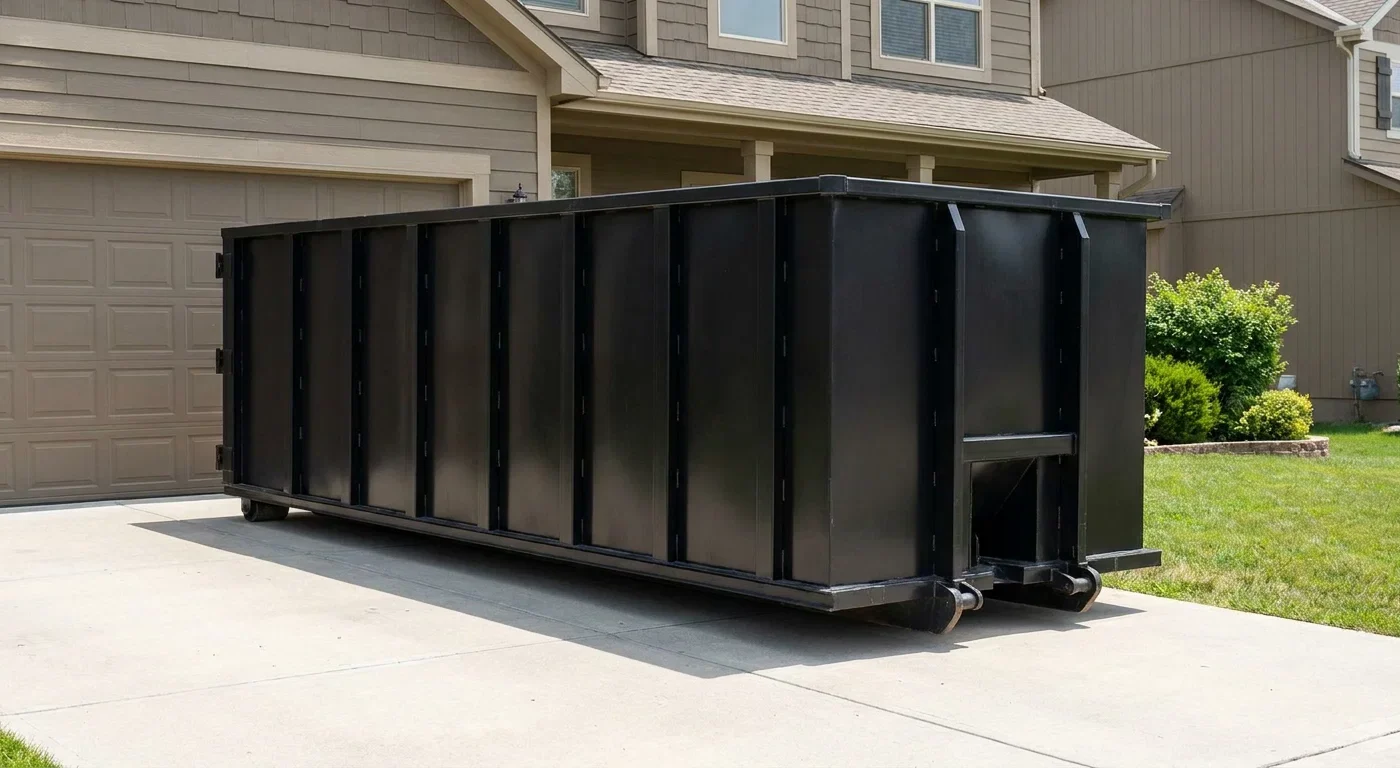
Some cleanup jobs are simple. You fill a few bags, put them at the curb, and move on with your weekend. Others are a completely different animal. A house is being renovated, a warehouse is being emptied, or an old commercial building is finally getting cleared out. In those situations, the waste can pile up faster than anyone expects.
That’s when choosing the right dumpster becomes less about convenience and more about keeping the entire project under control. A container that’s too small can leave you with overflowing debris and another rental to arrange. A properly sized dumpster, on the other hand, gives workers room to keep moving without stopping every few hours to deal with waste.
When a Larger Dumpster Actually Makes Sense
Not every project needs a massive container. But certain jobs naturally produce large volumes of waste.
Think about a whole-house renovation. Cabinets come out, flooring gets pulled up, drywall is removed, and old fixtures are replaced. Then there’s all the packaging from new materials. It adds up quickly.
The same is true for commercial property cleanouts and demolition work. Large pieces of furniture, shelving, construction materials, and broken fixtures can consume space much faster than bags of ordinary household trash.
For these situations, large dumpster sizes can make the project much more manageable. Instead of filling a smaller container and arranging another one halfway through the job, you have enough capacity to handle a substantial portion of the work at once.
Still, bigger isn’t automatically better. Paying for unused space doesn’t make sense either. The goal is to match the dumpster to the actual volume and type of waste.
Estimate the Entire Project, Not Just Day One
A common mistake is looking at the first pile of debris and using that as the basis for choosing a dumpster.
It’s understandable. You see a stack of broken cabinets and think, “That doesn’t look like much.”
But demolition has a way of revealing more work.
Behind those cabinets may be old drywall. Under the flooring could be damaged subflooring. A simple room renovation might eventually involve trim, insulation, fixtures, boxes, and other materials.
Before ordering a dumpster, walk through the project from beginning to end. Consider what will be removed during demolition, what will be discarded during installation, and what cleanup will happen afterward.
If you’re unsure about capacity, describe the project to the rental provider. A good company can often recommend a suitable size based on the materials involved.
Heavy Waste Changes the Equation
Volume isn’t the only concern when you’re choosing a dumpster.
Materials such as concrete, brick, dirt, asphalt, tile, and roofing debris can become extremely heavy. You might still have plenty of visible space in the container while approaching its weight limit.
This is why it’s important to ask about weight allowances before delivery.
If your project involves dense materials, tell the rental company exactly what you expect to dispose of. They may recommend a particular container or explain restrictions that apply to heavy loads.
It can also help you avoid unexpected fees. Nobody likes discovering an additional disposal charge after the project is finished.
Flexible Rental Periods Give Projects Room to Breathe
Projects don’t always cooperate with calendars.
A renovation can uncover unexpected damage. A property cleanout may take longer because an attic or storage room contains far more material than expected. Even weather can turn a carefully planned outdoor job into a longer project.
That’s why flexible rental periods can be valuable.
Before booking, ask how long the standard rental lasts and what happens if you need additional time. Some providers offer extensions, while others operate on a stricter pickup schedule.
Knowing your options ahead of time means you don’t have to rush the final stage simply because the rental period is ending.
And rushing cleanup isn’t ideal. It can lead to poor loading, unsafe lifting, or simply leaving material behind that you still need to deal with.
Placement Matters More Than You Might Think
A large dumpster needs adequate room for delivery and pickup.
The truck needs to approach the property, position the container, and eventually remove it. Look for low branches, overhead wires, fences, gates, parked vehicles, and narrow access points before scheduling delivery.
A stable, level surface is generally preferable.
For businesses, think about normal traffic patterns. Don’t block a loading dock if deliveries are still happening. Don’t place the container where customers or employees need to walk around it constantly.
For homeowners, the driveway may be the most practical location, but make sure there’s enough clearance for the delivery equipment.
A few minutes of planning can prevent a very awkward delivery day.
Keep Waste Close to the Work Area
Distance matters when you’re moving heavy debris.
If a dumpster is placed too far from the work area, workers have to carry every piece across the property. Over several hours, those extra steps become exhausting.
Try to position the container reasonably close to where most waste will be generated while still keeping access and safety in mind.
For construction and renovation projects, this can make the daily cleanup routine much more efficient. Debris comes out, gets carried a short distance, and goes straight into the container.
Simple, but effective.
Know What You Can Throw Away
A dumpster isn’t a universal solution for every type of waste.
Common materials such as wood, drywall, cardboard, furniture, carpeting, and general renovation debris are often accepted. However, hazardous chemicals, batteries, tires, certain electronics, paints, and other regulated materials may be prohibited.
Rules vary by provider and location, so ask for a list of restricted items before you begin.
If contractors or multiple workers are involved, make sure everyone knows those rules. One prohibited item can create complications for an entire load.
Load a Large Dumpster Carefully
More capacity doesn’t mean you can load the container carelessly.
Break down bulky furniture and cardboard boxes when possible. Place heavy debris toward the bottom and distribute weight across the container.
Don’t let materials extend above the permitted fill line. Overfilled dumpsters can be unsafe to transport and may require you to remove some of the waste before pickup.
For demolition work, protective gear is also important. Gloves, sturdy footwear, and eye protection can help when you’re handling broken glass, nails, sharp metal, and splintered materials.
What Makes a Dumpster Company Dependable?
The container itself is only one part of the rental experience.
A dependable service should communicate clearly, deliver when promised, explain rental terms, and make pickup straightforward.
Before booking, ask about delivery timing, rental duration, accepted materials, weight limits, pickup procedures, and potential additional charges.
Customer reviews can also provide useful insight into how a company handles scheduling and communication. You don’t necessarily need a perfect rating, but repeated complaints about missed deliveries or poor communication are worth noticing.
Plan Ahead and the Cleanup Gets Easier
Large projects will always produce mess. There’s no clever shortcut around that.
What you can control is how that waste is handled.
Choose a dumpster that fits the project, think about weight as well as volume, prepare the delivery area, understand disposal restrictions, and leave enough time for the work to actually finish.
Whether you’re clearing a property, renovating a building, or managing a commercial cleanup, the right dumpster can turn waste management from a daily headache into a fairly routine part of the job.
And when the final load goes in and the container is finally hauled away, there’s a satisfying sense of closure. The project may have been noisy, dusty, and harder than expected—but at least the mess is no longer yours to worry about.
